Snack Packaging Commercial Hub
Custom Snack Packaging Manufacturer for Stand Up Pouches
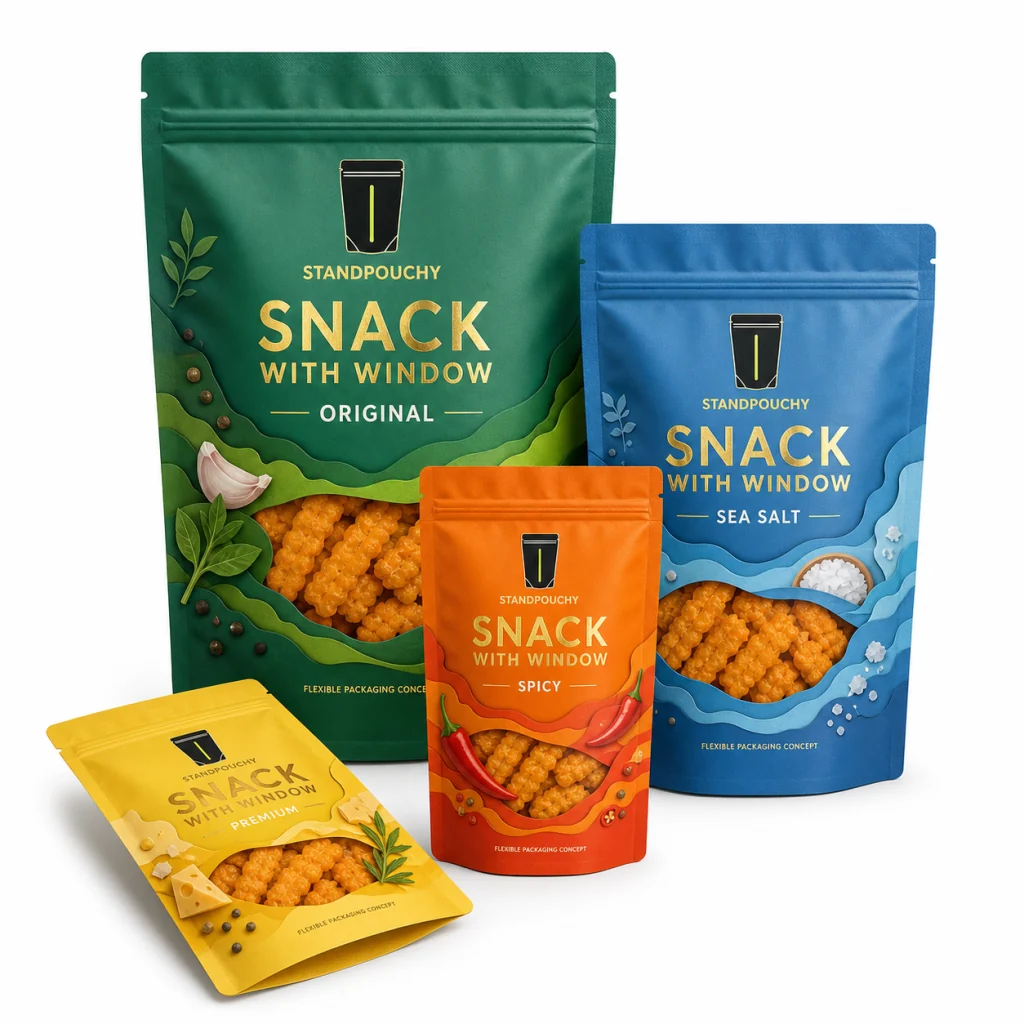
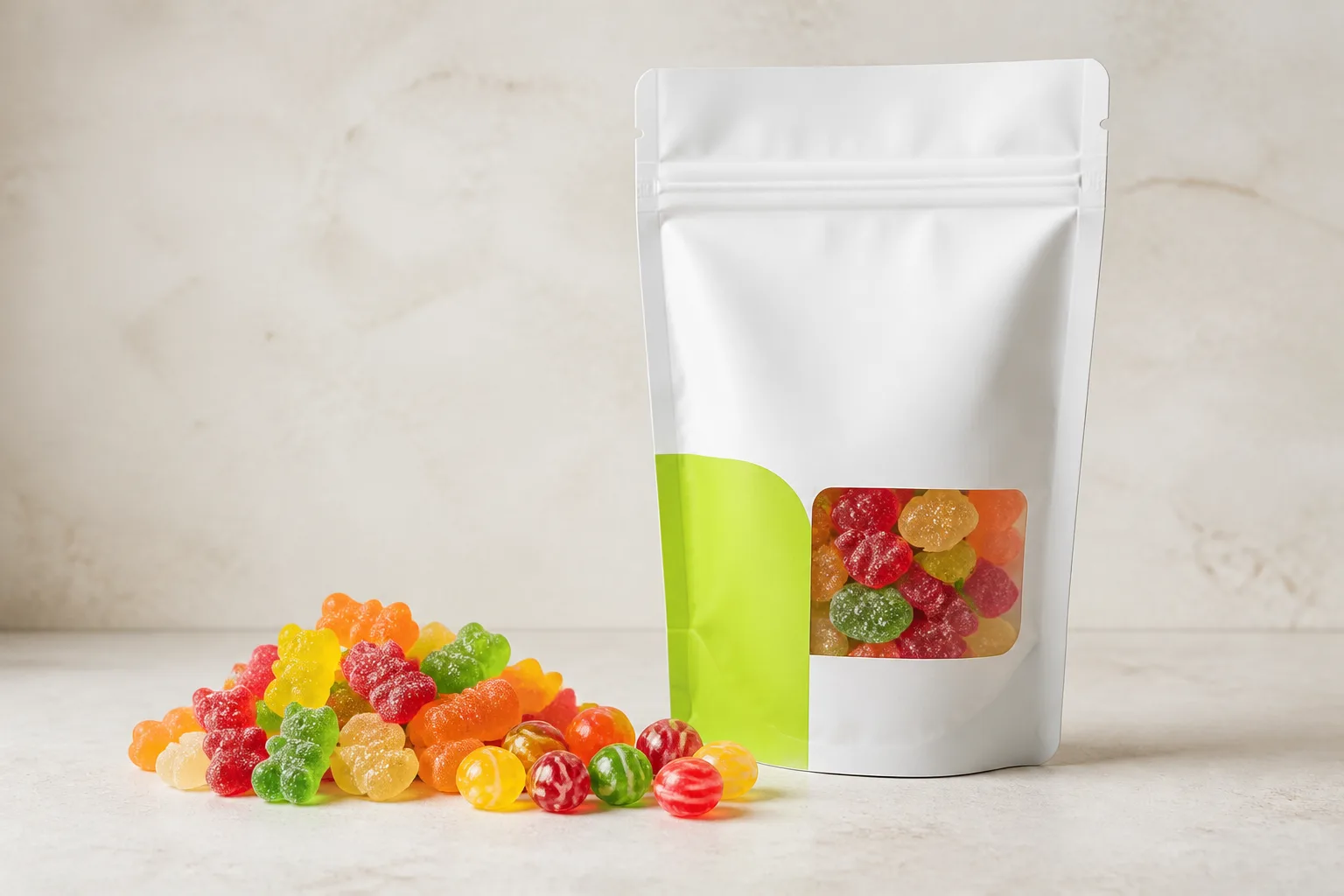
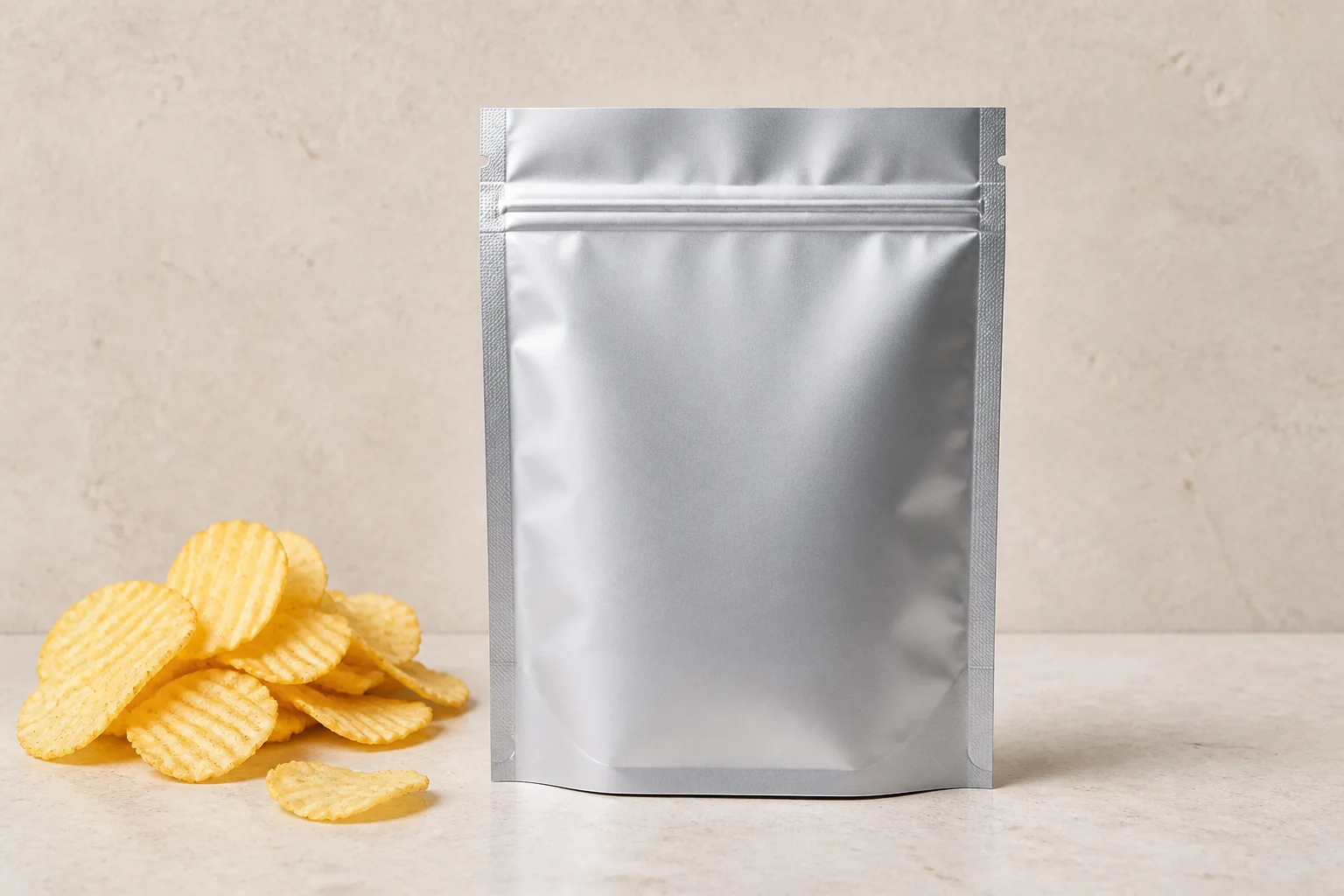
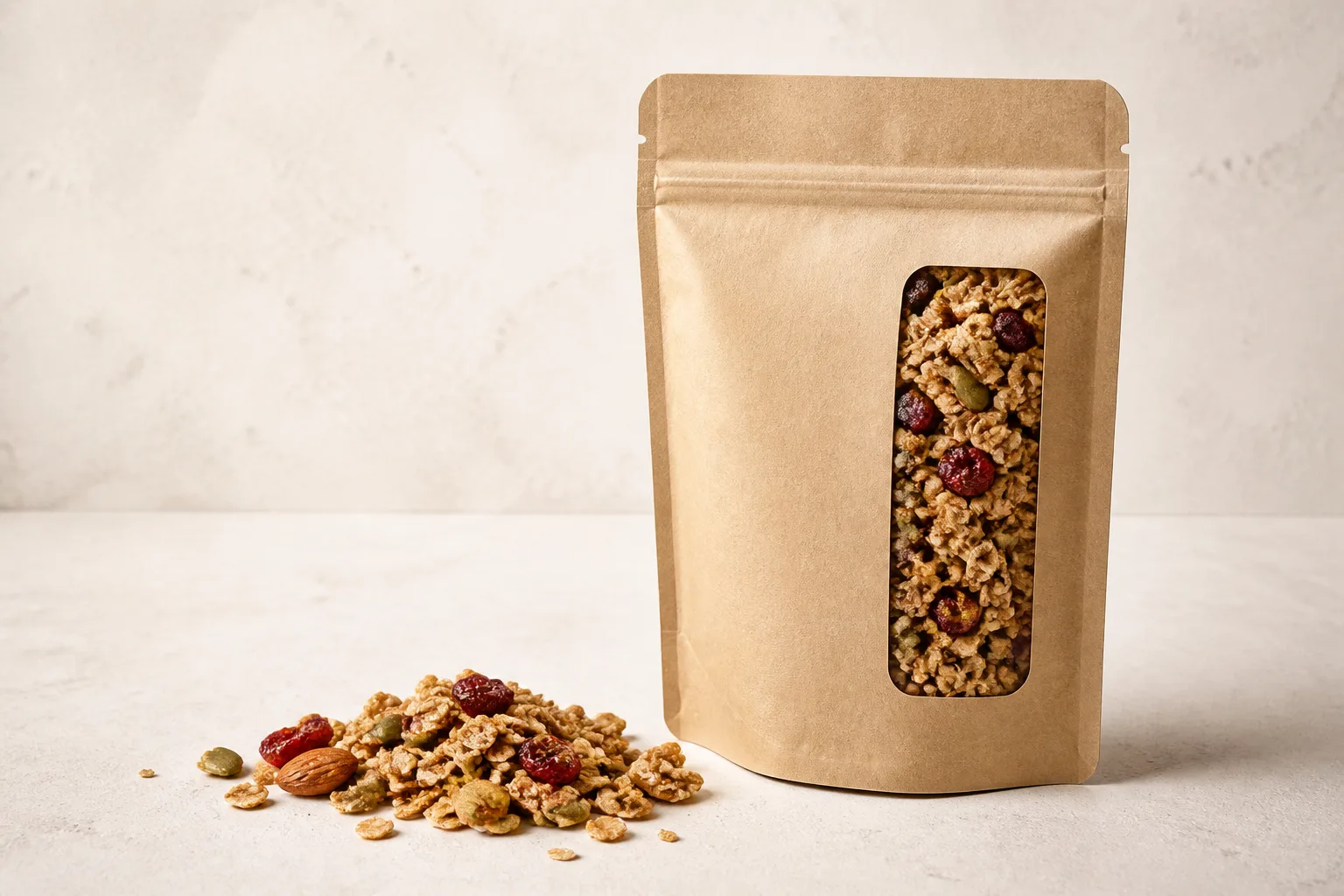
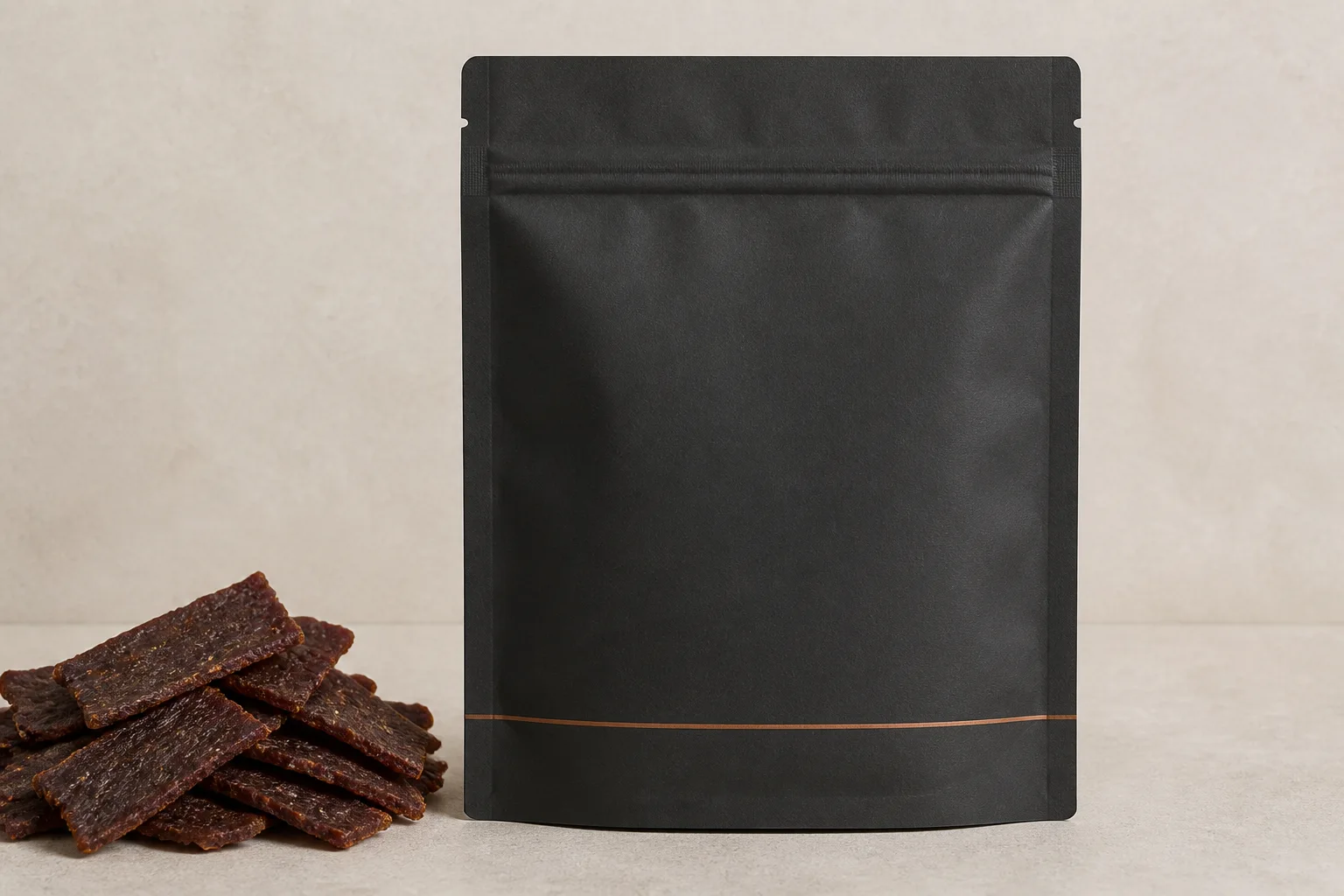
StandPouchy is the custom pouch brand operated by Xiamen Unique Packaging Technology Co., Ltd. Plan printed stand up pouches for nuts, dried fruit, chips, candy, jerky, granola and popcorn by comparing product risk, size, barrier, zipper, window, filling and artwork inputs before requesting a quote.
Product risks to define
- Moisture pickup or loss
- Oxygen and oil exposure
- Crushing or sharp product edges
- Light and display requirements
Size and filling inputs
- Product texture and piece size
- Fill weight and bulk volume
- Headspace and opening width
- Manual or automated filling method
Common pouch directions
- Resealable zipper
- Easy-open tear notch
- Clear window with reviewed tradeoffs
- Matte, gloss or approved print finish
Filled-pack review
- Seal contamination from crumbs or oils
- Window and artwork placement
- Standing and shelf display
- Handling and transit behavior
Application landing pages
Specify the pouch from the snack—not a generic bag name.
Each application page connects failure modes, format, material direction, filling, buyer inputs and validation checkpoints for that product family.
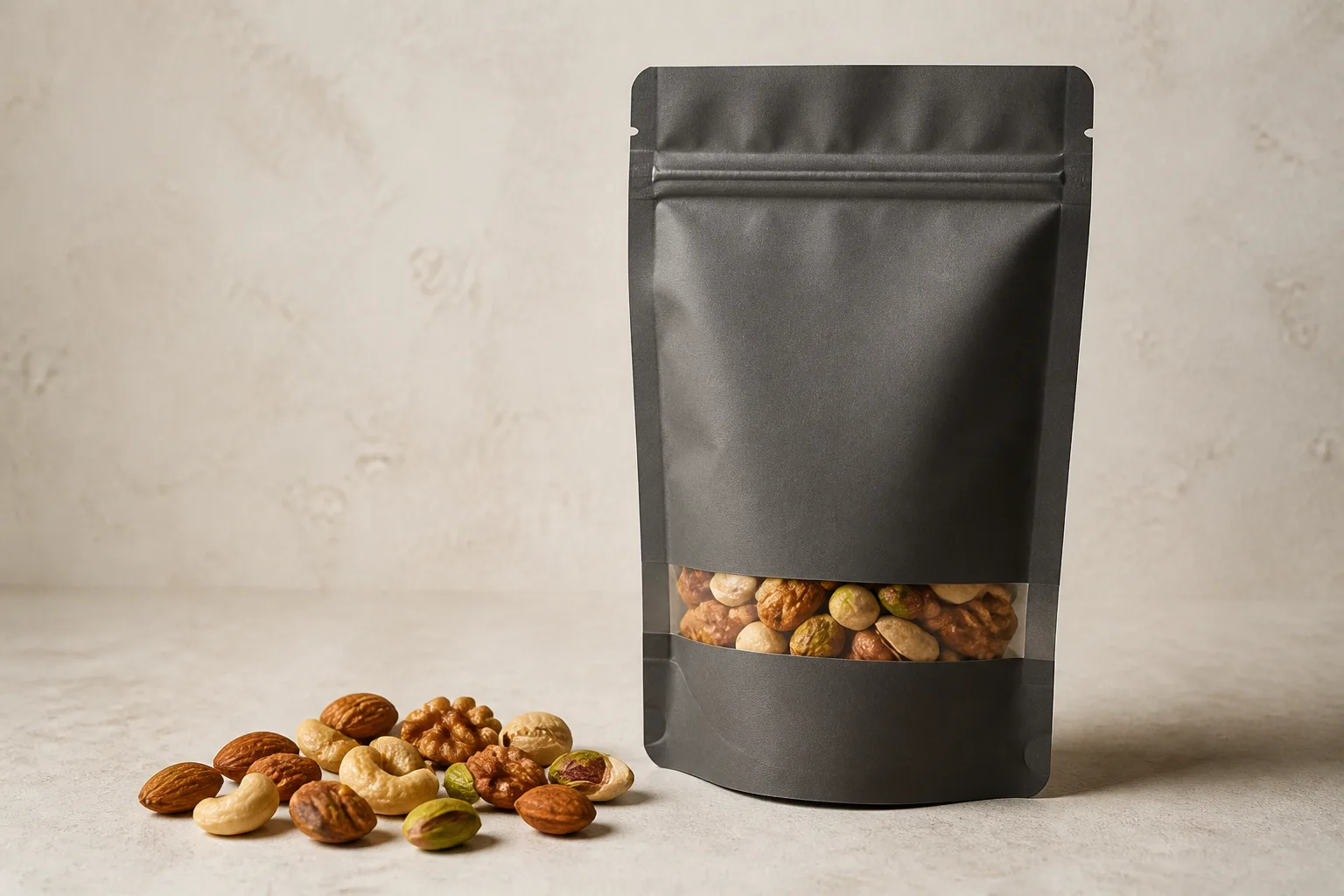
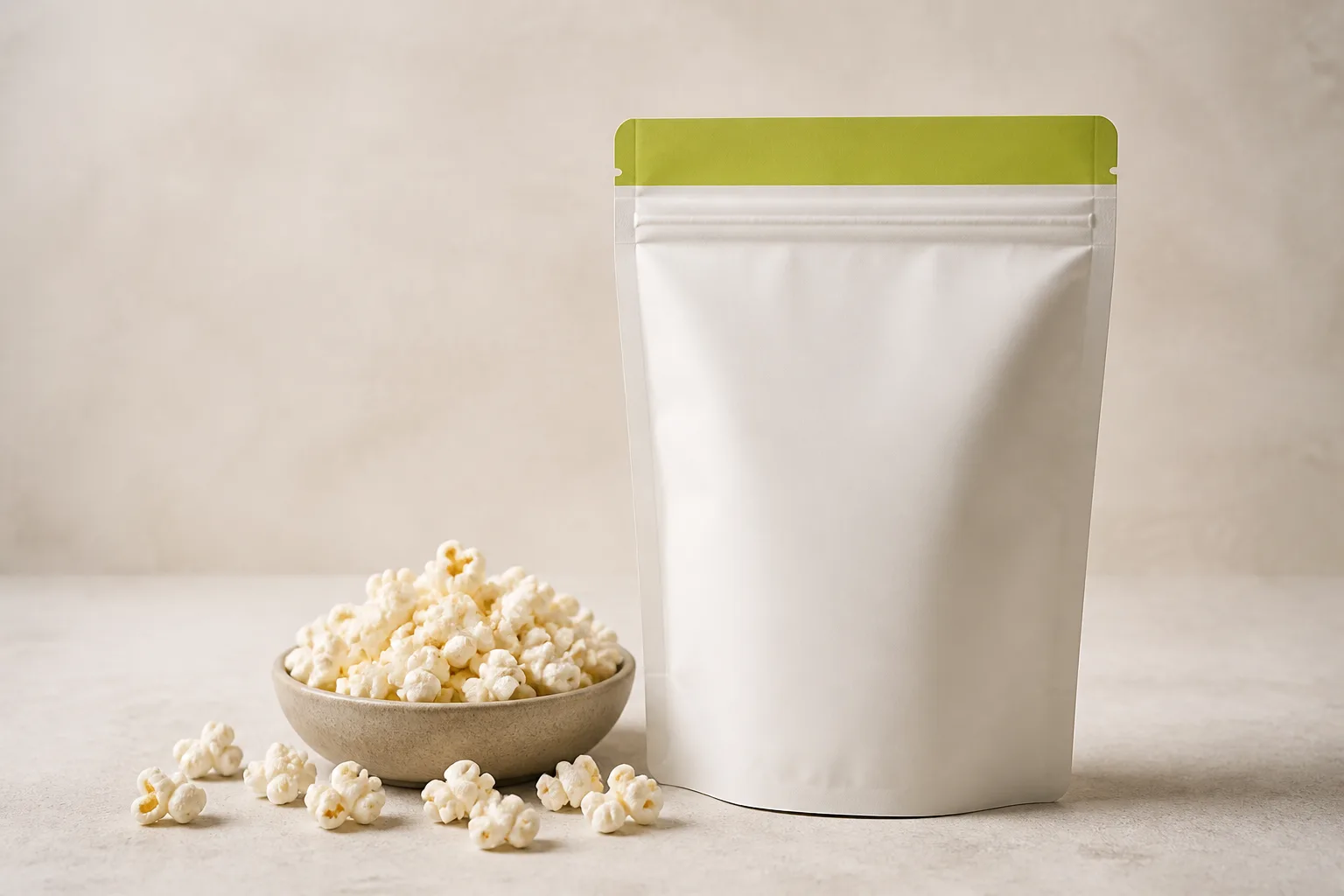
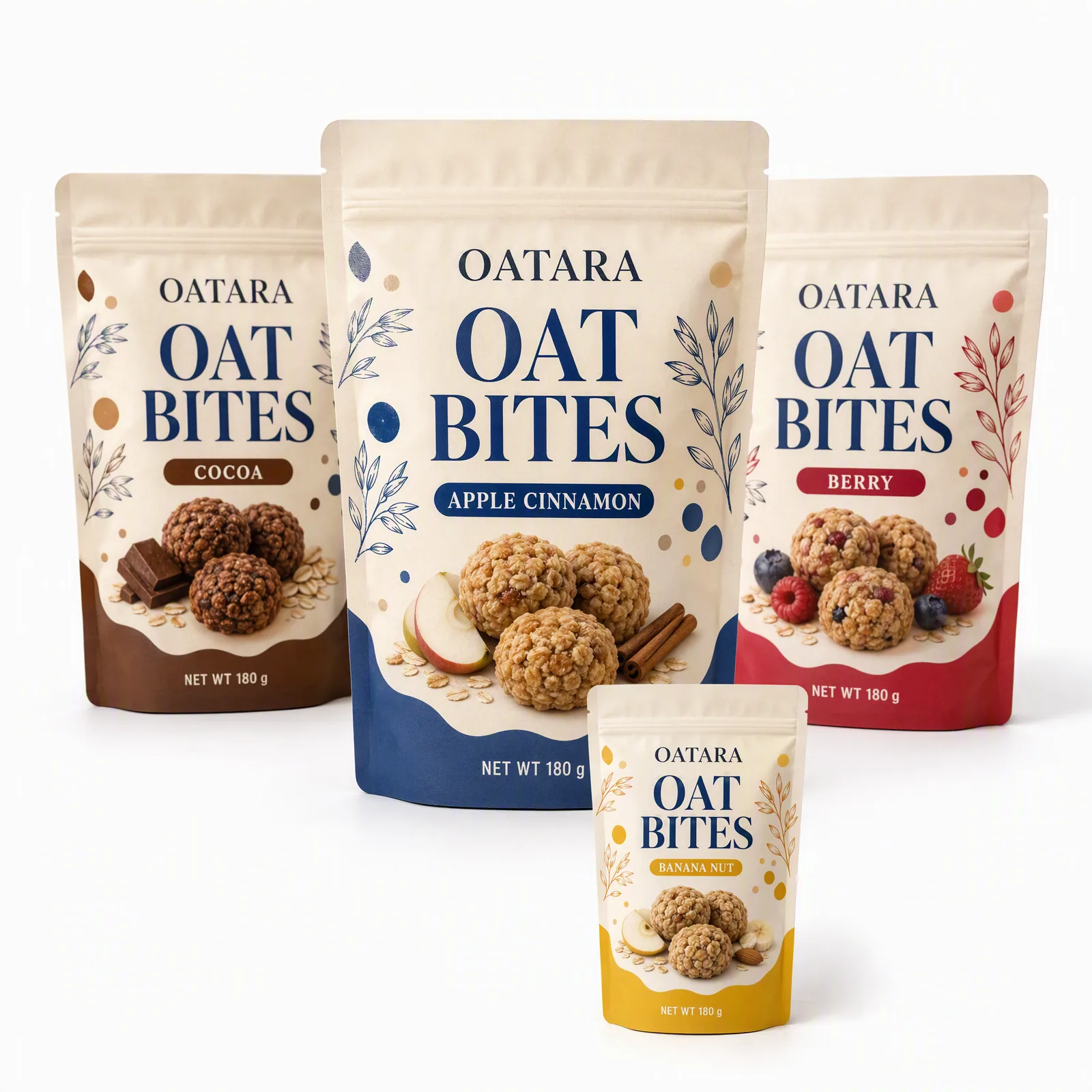
Cookies & Bakery
Texture change · Broken edges · Fat and aroma · Crumb contamination
Open the Cookies & Bakery page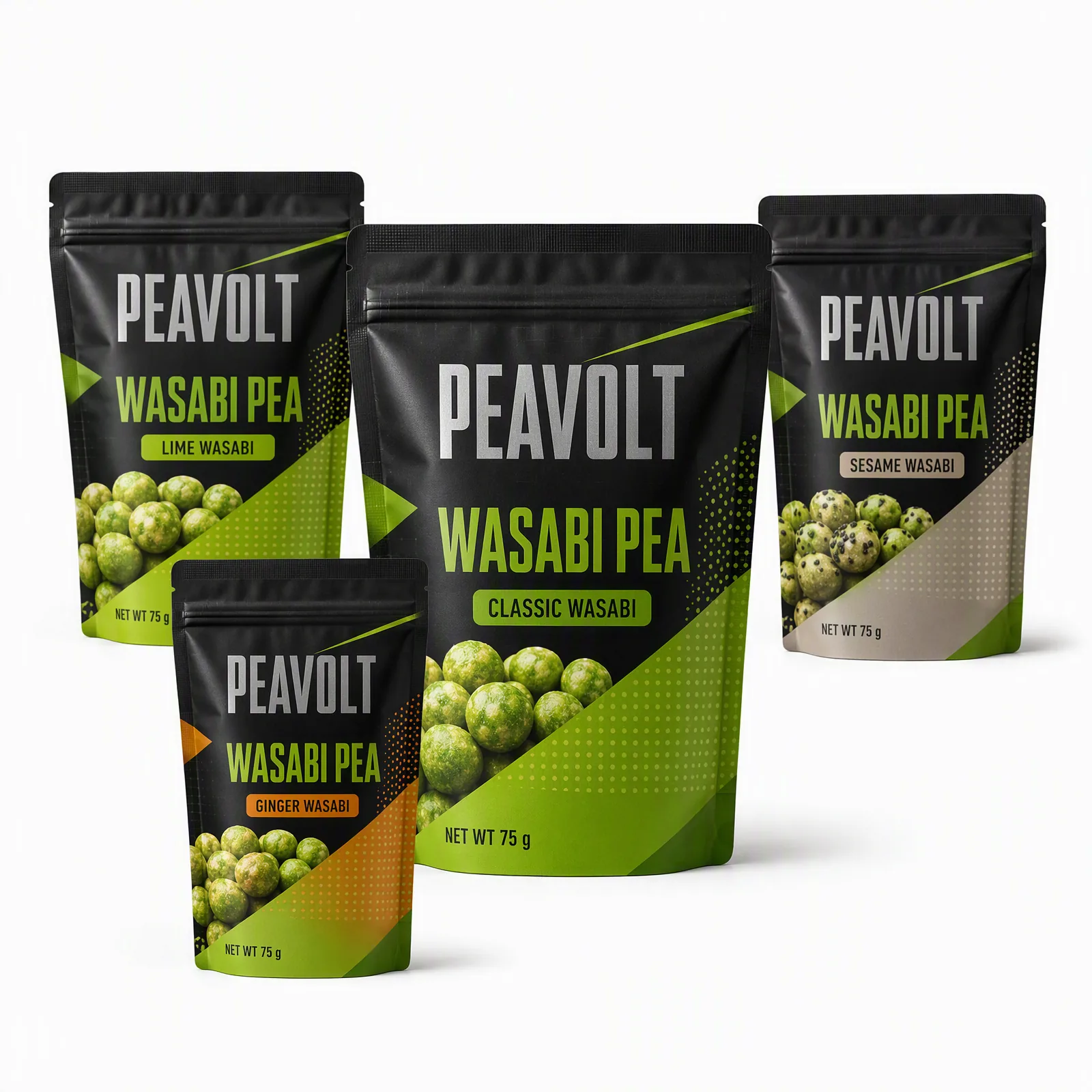
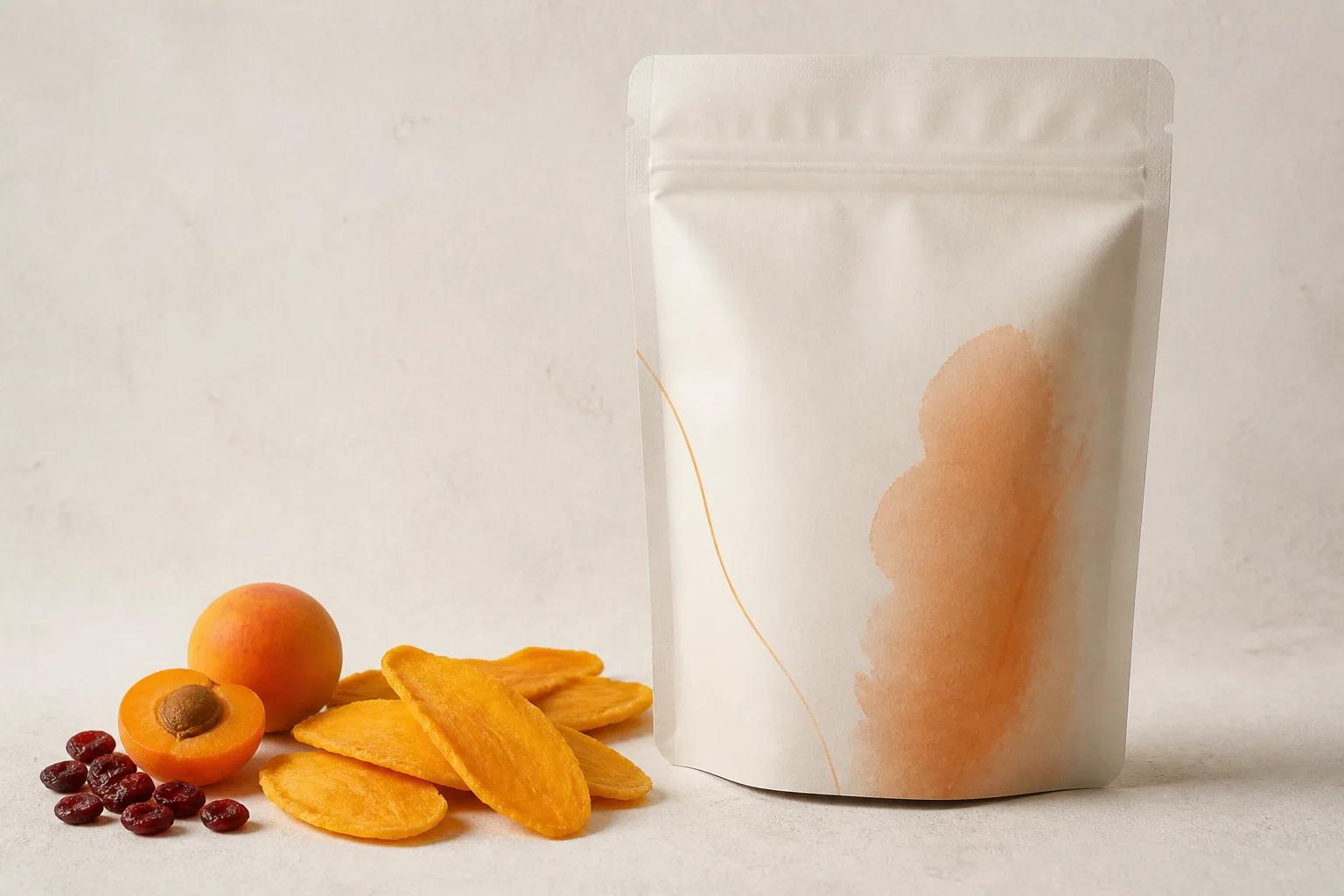
Beans, Peas & Corn
Hard edges · Seasoning fines · Dense fill · Oil and crispness
Open the Beans, Peas & Corn page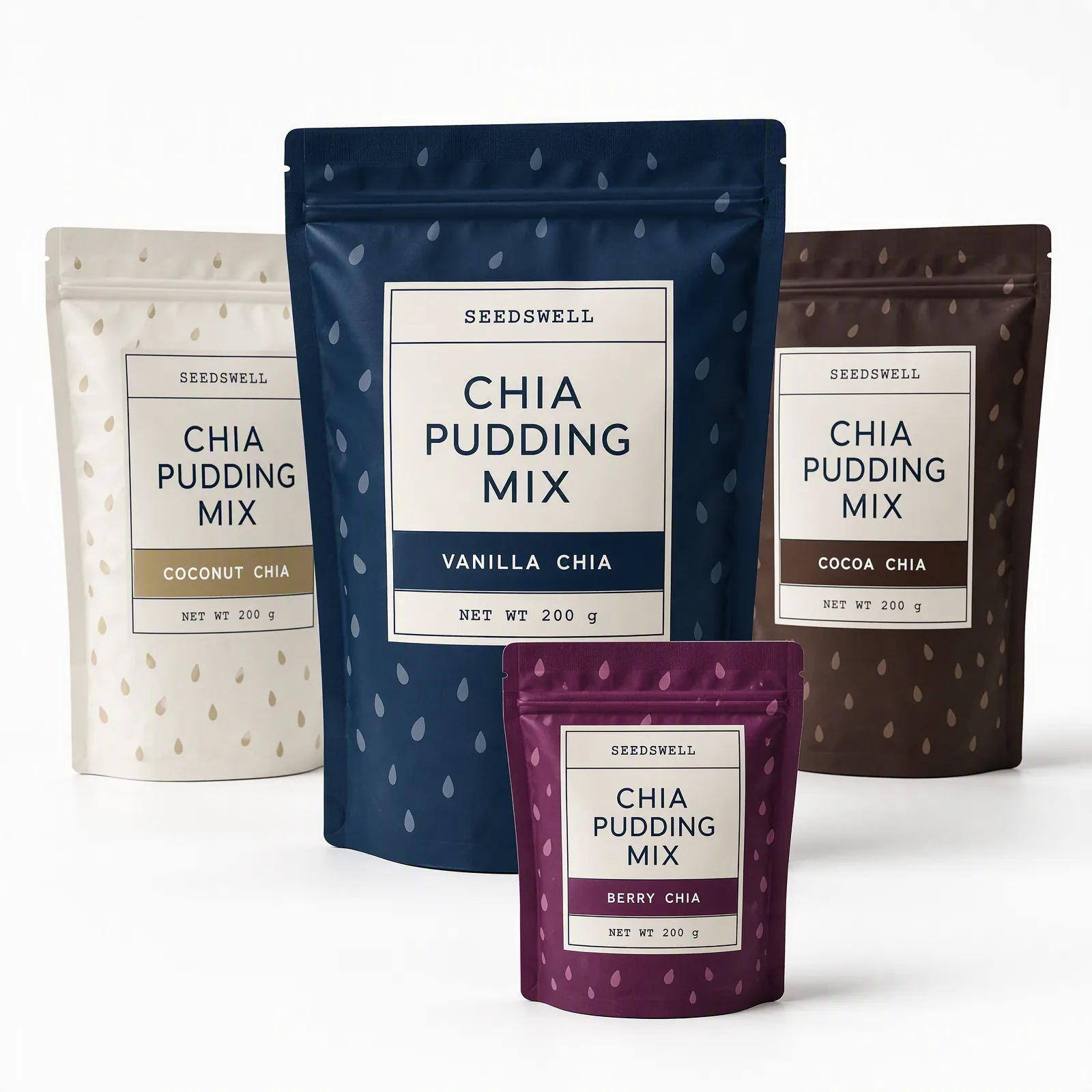
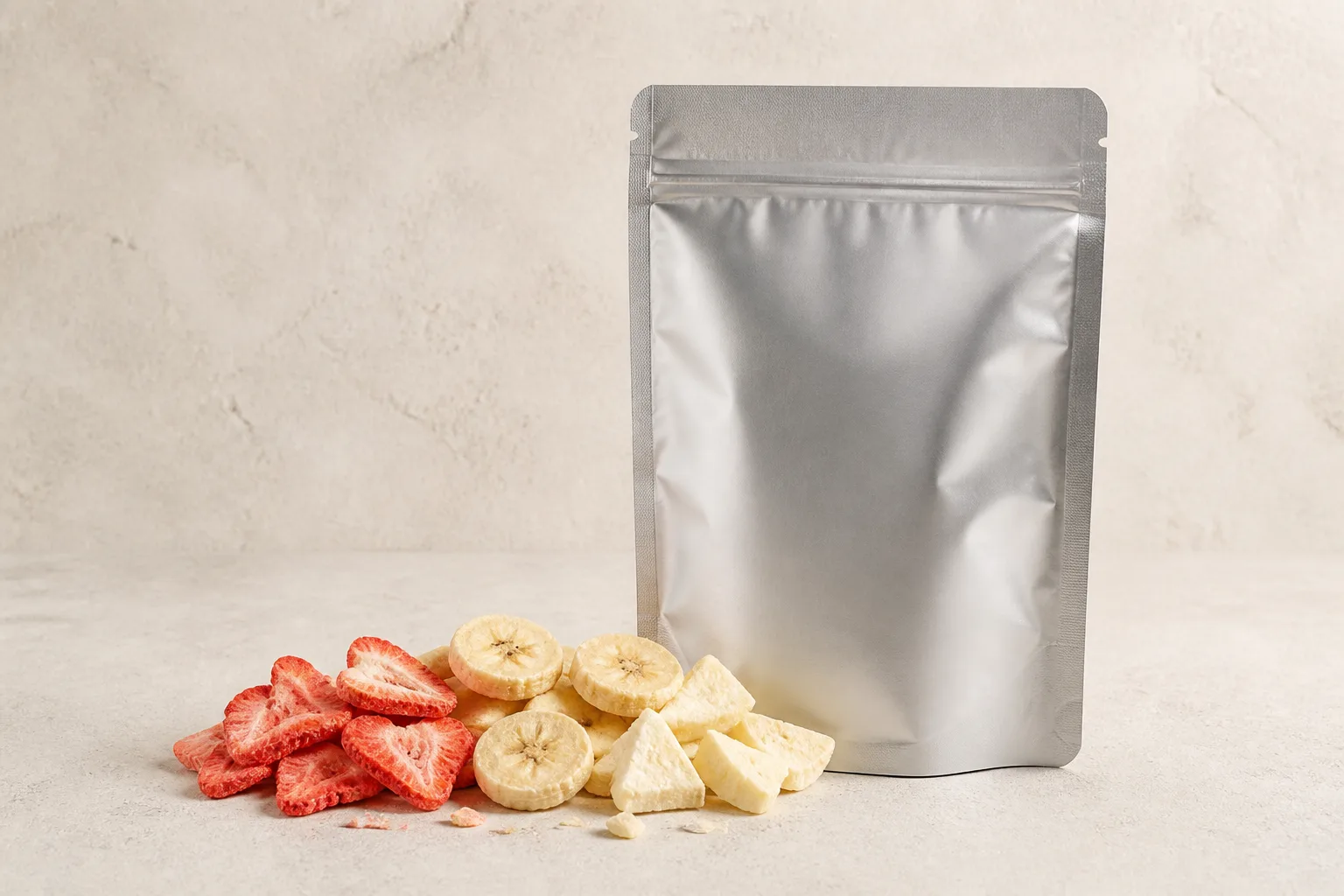
Specialty Snacks
Mixed ingredients · Product dust · Variable density · Recipe changes
Open the Specialty Snacks pageCookies & crackers directory
Browse every cookies and crackers pouch reference.
Use these product-specific pages to compare artwork, filling, material and approval directions before preparing a brief.
Procurement and technical decisions
Move from application to an auditable specification.
Direct answer
What should be checked in a filled snack pouch review?
Review representative pouches filled and sealed with the actual snack and intended process. Record fill and headspace, crumbs or oil in the seal zone, seal results, zipper use, window and artwork position, standing behavior and case packing. Apply agreed seal-strength, gross-leak and handling methods; one visual inspection or drop result is not complete shelf-life evidence.
Decision record
Build the filled-pouch review around the real snack and process.
Use the same controlled product, laminate, pouch revision and sealing process that the project intends to approve. Record clean and representative contamination conditions separately so an unknown crumb or oil challenge is not hidden inside an average result.
| Review field | Record for this project | Why it changes the review | Evidence before approval |
|---|---|---|---|
| Product reference | Snack type, formula or batch, piece size, texture, oil or seasoning state and sharp edges | Crumbs, surface oil, dust and rigid pieces can affect filling, seals, windows and handling differently | Representative product and traceable sample record |
| Fill and headspace | Target and actual fill weight, bulk volume, pouch dimensions and headspace | Overfill or inconsistent settling changes seal clearance, standing shape and case loading | Recorded filled dimensions, weight and pack shape |
| Laminate and window | Outside-to-inside structure revision, window material and location, print and coating references | A window changes the local construction and visible product area but does not by itself establish barrier suitability | Controlled specification and approved dieline or artwork revision |
| Seal-zone condition | Clean condition plus defined representative crumbs, dust, seasoning or oil at named seal locations | Contamination type, amount and location can change the finished seal in ways a clean empty pouch does not show | Separate sample groups, preparation record and observable contamination state |
| Filling and final sealing | Equipment, product temperature, seal temperature, dwell, pressure, line speed and cleanup step | The intended line process determines how product reaches the seal and how the final top seal is formed | Representative line trial or controlled sealing procedure |
| Seal-strength sampling | Top, side and bottom locations; specimen width, conditioning, tail technique, rate, result and failure mode | A force value only represents the sampled seal area under the recorded test configuration | ASTM F88/F88M-23 within scope or another agreed method; project-specific limits |
| Gross-leak review | Product and headspace, package preparation, vacuum or pressure, time and observable result | The method must suit the filled package and conclusions cannot exceed its detection scope | ASTM D3078 within scope or another validated method; recorded conditions and acceptance criteria |
| Opening and reclosure | Tear initiation, opening access, zipper clearance, product interference and agreed reclosure sequence | First opening and repeat use are separate from permanent heat-seal strength | Representative user sequence with the actual snack and pouch |
| Display and packout | Standing stability, window visibility, artwork position, product settling, case count and orientation | Shelf appearance and load paths can change after filling, settling and case packing | Filled-pack photographs, dimensions and case-pack record |
| Handling and approval control | Drop or distribution sequence, post-test inspections, sample plan, retained samples, approvers and change triggers | A handling result only supports the tested configuration and sequence | ASTM D5276-19(2023) where applicable or an agreed distribution plan; signed revision decision |
Method scope
Use separate methods for seal force, gross leaks and handling.
F88/F88M measures the force required to separate a test strip and identifies failure mode; it does not simulate use of the entire package. D3078 is for gross leaks in flexible packs with headspace gas and notes that small leaks may not be detected. D5276 addresses defined free-fall shock for loaded containers, bags and sacks; it is not a shelf-life test. None provides a universal StandPouchy seal-force, leak, drop-height or shelf-life target.
Confirm the specification with the real product.
Confirm the pouch with the actual snack, intended seal settings, target shelf life and distribution conditions before approving the final specification.