01
What Buyer Task Should the Finish Help Us Complete?
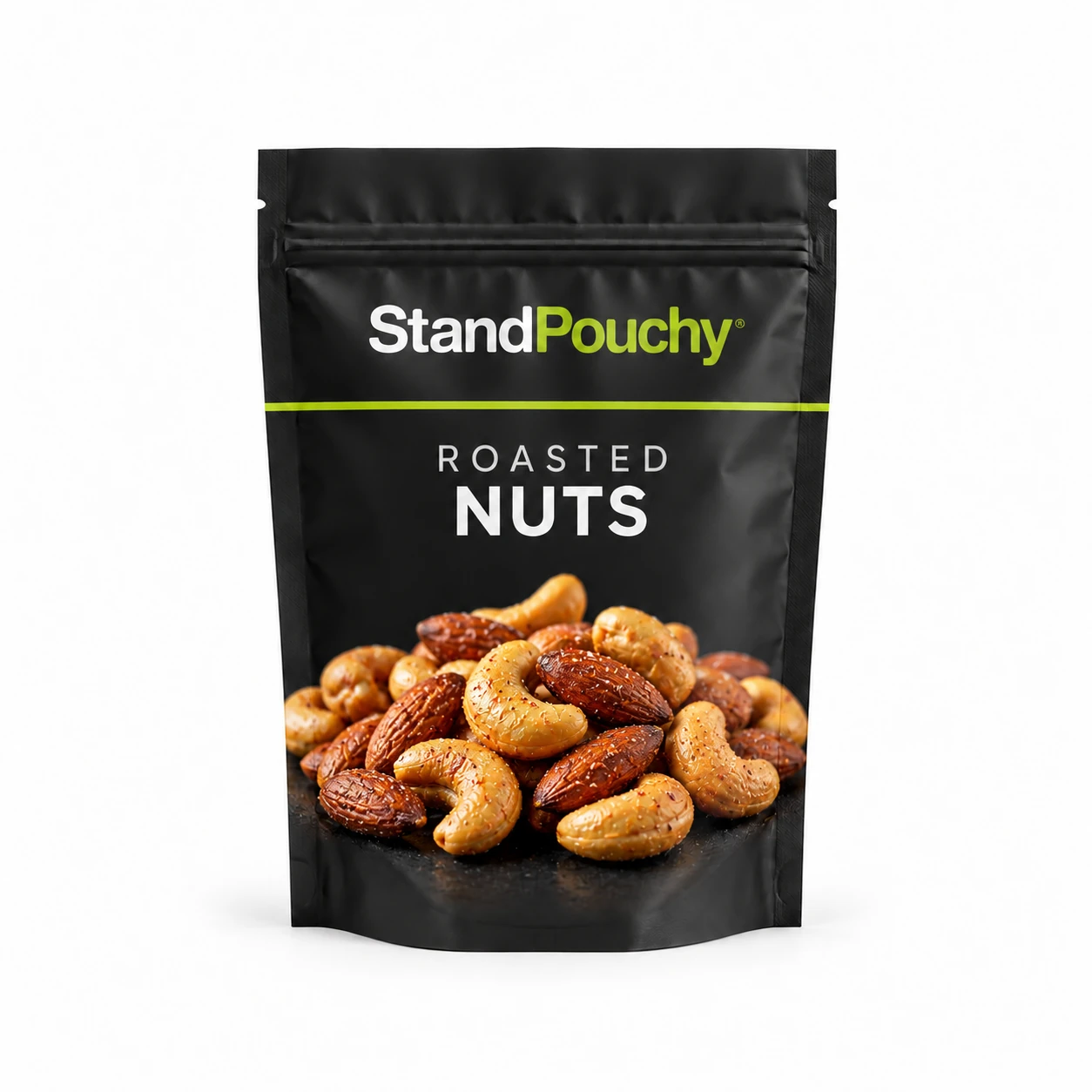
We can ask for premium packaging without defining what shoppers need to see. That makes sample approval vague, so we name the viewing task first.
We define product recognition, copy readability, image presentation and intended handling before choosing matte or gloss. We compare the same artwork on filled samples rather than assuming one finish improves sales.
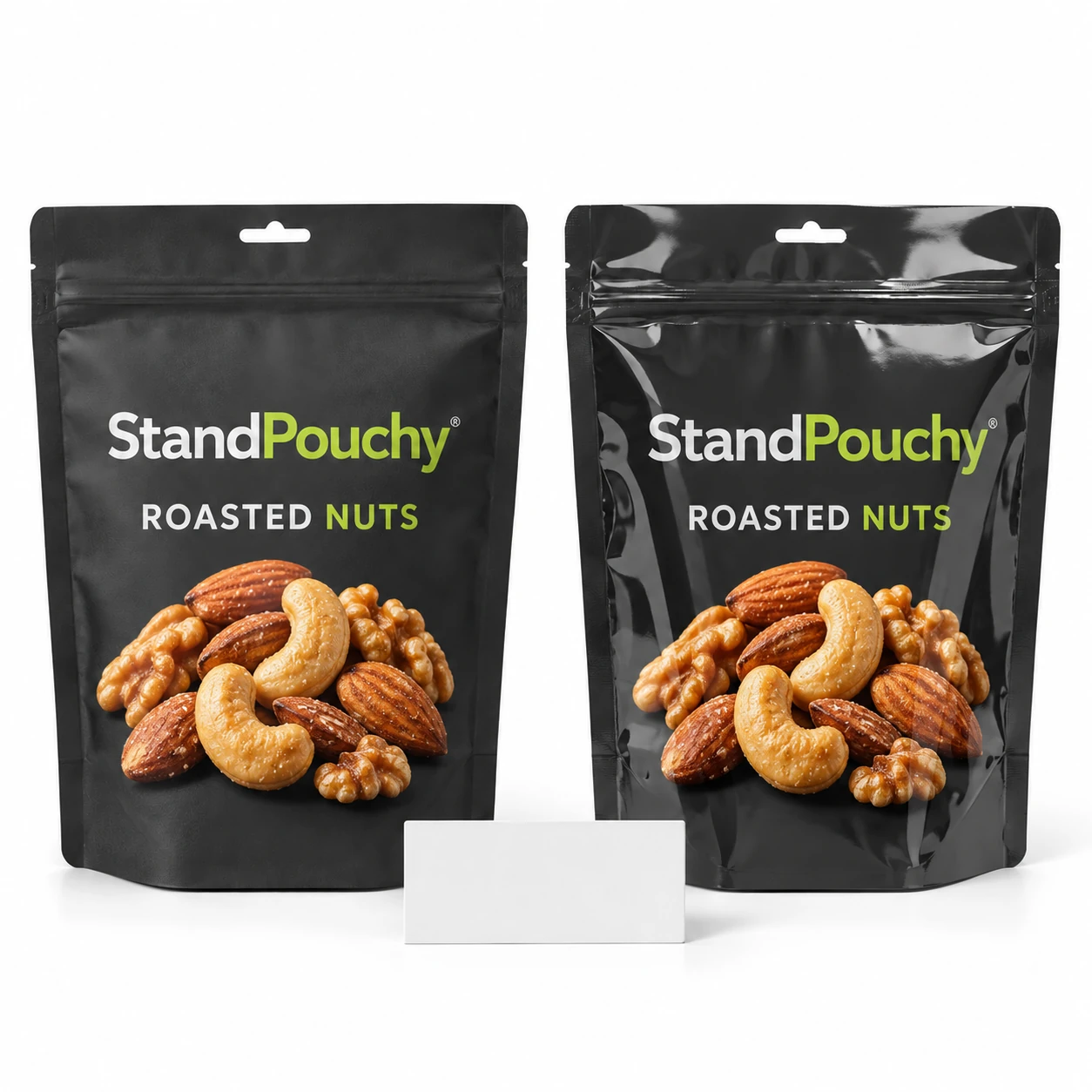
We make appearance a specific purchasing question
We separate surface reflection from color and product protection. ASTM D523 addresses specular gloss and notes other appearance factors such as texture and reflected-image clarity.[1] We therefore describe what is being compared rather than treating matte as one universal specification. We keep the proposed outer film, coating and printed construction identified. A finish name does not describe the whole laminate, its transmission behavior or the food-contact layer.
We fill printed candidates with the same representative product. We examine the main words, flavor cue and photographic artwork under the intended lighting. We record the viewing direction and conditions when comparing reflections. We also inspect areas where the pouch curves or folds. We do not use a flat proof as the final appearance reference, since the filled shape changes how the surface is seen.
We mark which printed areas have the proposed surface treatment. We retain the outer-film and coating references separately from the inner contact construction. We inspect reflection and readability where the filled face bends, while keeping the viewing conditions with the sample. We record whether the compared candidates share artwork and color references. This avoids attributing a changed product photograph or substrate to finish alone when several physical inputs differ at once.
We ask the buyer to rank the tasks. Does the pack need clear identity at shelf distance, a readable mobile image, easy flavor distinction or a particular feel in the hand? The Packaging Lab describes finish as a visual and tactile part of the pouch decision.[5] We use that commercial context to frame options, without copying its material claims or declaring a finish commercially superior. We ask this buyer to compare purposeful samples.
We keep the question concrete in the artwork and dieline guide. We reserve required copy, barcode and closure zones before decoration. We ask the supplier what sample stage will show the proposed finish on the chosen artwork. Procurement can then compare included proofing and review work rather than buy a generic premium description.
We also ask what the finish must avoid obscuring. A Reddit pouch buyer asks about affordable branded packaging, while a supplier reply discusses label finishes.[6] We attribute that as a purchasing question and a supplier suggestion, not independent cost evidence. We make required information and the front-panel reading order part of the same review. The selected finish should support the buyer's actual task, with no invented conversion or sales promise.
| Buyer task | Comparison view | Approval question |
|---|---|---|
| Product identity | Filled shelf view | Can users identify the snack? |
| Artwork clarity | Matched printed samples | What does reflection obscure? |
| Online presentation | Consistent small photographs | Does the same design remain clear? |
02
How Do We Compare Finish Samples Without Misreading Gloss?
We can compare different colors and mistake their appearance for a finish result. That confuses procurement, so we control the sample comparison.
We compare identified finish samples with matched artwork, substrate and viewing conditions. When gloss measurement is relevant, we retain geometry and specimen details and keep the number separate from visual approval.
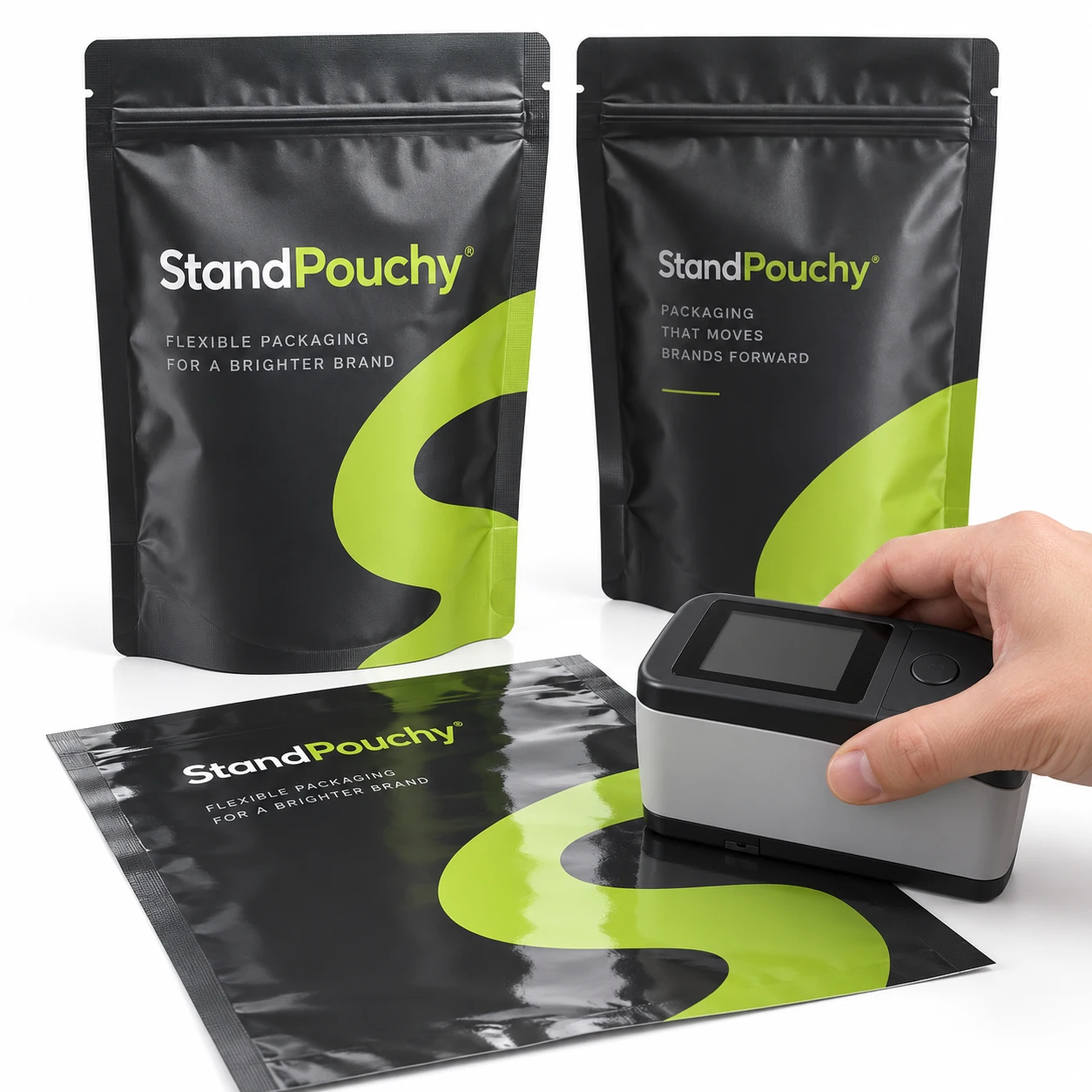
We keep the measurement with its conditions
We request the exact outer-surface description from the converter. We record whether a proposal changes film, coating, printed area or a combination. We keep the substrate and sample revision with any reported value. ASTM D523 specifies several glossmeter geometries for nonmetallic specimens.[1] We ask the responsible laboratory which applies to the proposed comparison. We do not publish one gloss-unit boundary for all snack pouches or infer that a number measures tactile preference.
We inspect matched printed samples under recorded viewing conditions. We retain their artwork, color reference and physical state. We review the pouch both flat and filled, while keeping any instrument specimen identified separately. We observe reflections near folds, the photographic product image and small text. We do not compare an empty swatch with a filled competitor pack and call the difference a controlled finish test.
We keep the instrument report attached to its actual flat specimen. We record the reported geometry and conditioning instead of interpreting a gloss value without context. We also retain a filled converted reference for the visual task. We distinguish its curved face from the instrument specimen and record where reflections change. We repeat the affected comparison when the outer film, coating or artwork treatment changes, rather than transfer a value from another sample.
We ask the supplier to present a limited number of alternatives that answer the brief. A full matte face, a glossy face and a proposed local gloss treatment can be separate offers if each has a clear job. We ask what can actually be produced on the selected construction and which proof represents it. We avoid approving an effect from a screen simulation alone. Our sample approval guide records the accepted reference and its limits.
We ask the buyer to compare benefits with the included work. Does a local treatment improve the product image enough to justify additional proofing? Does the proposal require a changed outer surface and another handling review? We request the supplier's own cost-driver explanation and quotation rather than assigning universal premiums. An option may be commercially useful even when it requires more review, but that work must be visible before purchase.
We finish with a controlled choice or a named sample request. If the visual preference remains unclear, we retain the viewing conditions and ask the intended users to compare the same task. We do not replace uncertainty with a claim that matte always looks premium or gloss always attracts attention. Procurement should be able to explain what the accepted sample demonstrates and what the proposed order includes.
| Comparison input | Record required | Mistake avoided |
|---|---|---|
| Printed construction | Same substrate and artwork | Unmatched samples ranked as equals |
| Reported gloss | Geometry and specimen identity | Universal gloss target invented |
| Visual approval | Filled reference and lighting | Screen effect treated as final proof |
03
Which Handling and Barcode Checks Should We Request?
We can approve appearance before the pouch faces rubbing or scanning. That risks late rejection, so we include the actual handling tasks in the sample plan.
We inspect the proposed surface after agreed handling and verify the barcode on representative printed pouches. We keep abrasion methods, appearance review and scanning evidence separate rather than assuming a finish name proves durability.
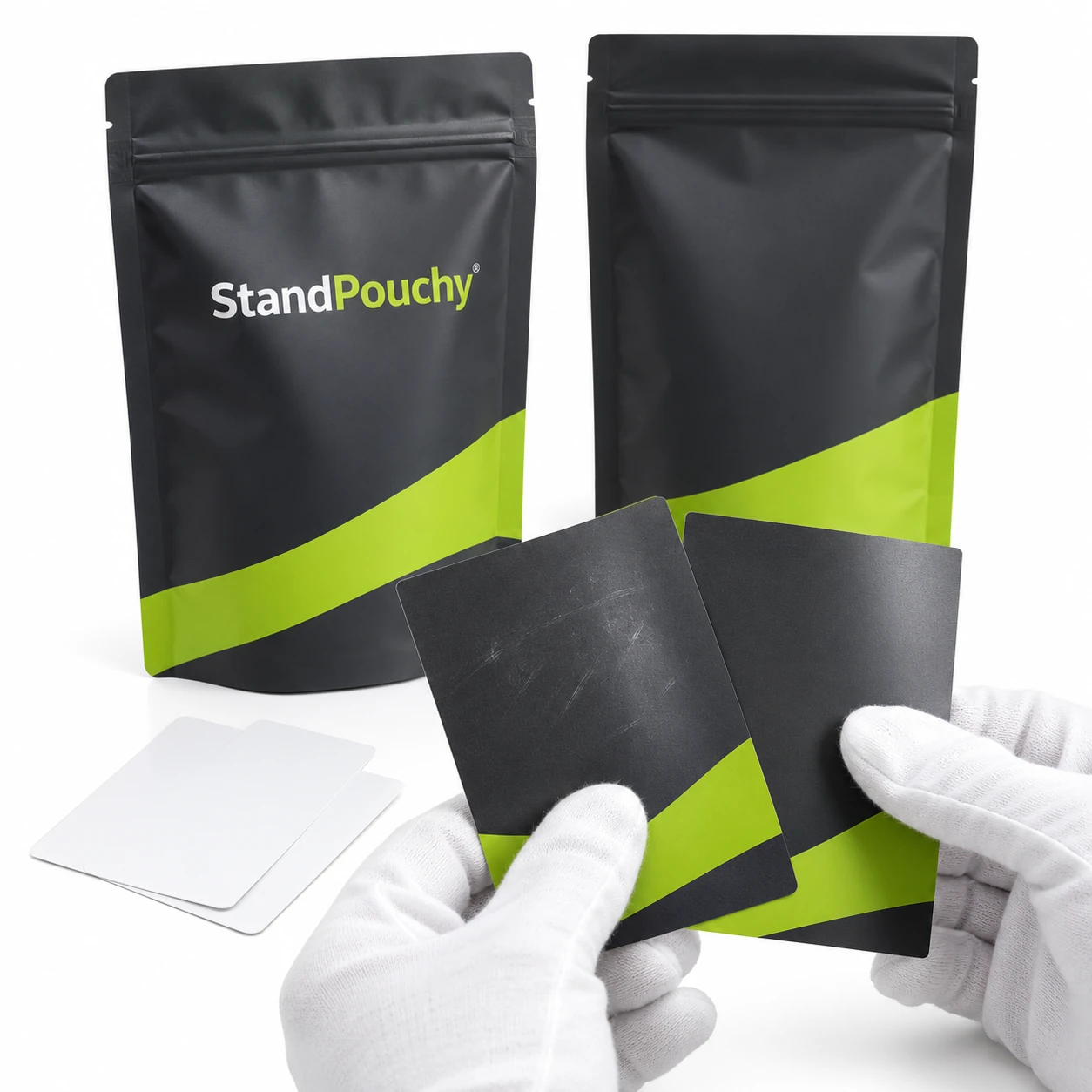
We review function alongside the visible surface
We ask the responsible team to define relevant contact and rubbing conditions. We retain specimen identity, contact material and agreed evaluation conditions. ASTM's published D5264-98 scope describes abrasion evaluation of printed flat substrates using a Sutherland-type rub tester.[2] We cite that scope as method context, not as a completed current-standard test or a universal pouch procedure. We ask the laboratory to confirm the applicable current method and protocol for the actual sample. We also inspect the filled pouch after its intended case contact.
We keep barcode functionality independent of a general surface preference. GS1 US advises smooth placement, protected quiet zones and careful barcode artwork handling.[3] We review the actual printed symbol and surrounding artwork in the filled condition. We retain the finish reference with the verification record. We do not assume that a glossy or matte sample inherits another substrate's result, and we do not invent an acceptable grade from the appearance of a demonstration code.
We photograph the surface before and after agreed contact, retaining the sample and receptor identities when a laboratory method uses them. We identify whether marks affect only appearance or obscure functional copy. We keep actual barcode verification results separate from a phone-camera demonstration. We record the filled state used for the channel review. We avoid combining rub observations and scan outcomes into one unsupported durable-finish label, even when both come from the same sample.
We ask the buyer what damage would undermine the intended presentation. Does a visible rub mark make a product image unclear? Does a changed reflection make small copy hard to read? We compare the same route and acceptance scope across alternatives. The retail and ecommerce pouch guide helps frame those tasks. A shelf-only comparison and a mixed-item shipping case can require different sample work.
We request the actual work in each quotation. A finish supplier may include only swatches, while a converter may propose printed converted samples. Neither automatically includes a filled case or barcode review. We make those exclusions visible and assign the remaining tasks to the buyer, packer or channel owner. We compare a complete scope rather than treating an attractive reference as proven durable.
We use the snack pouch barcode guide when the scanning decision needs more detail. We hold any unresolved method or functional issue open before final release. If the finish, outer film, artwork or barcode location changes, we repeat the affected review. This lets procurement pay for a useful surface with clear evidence instead of buying an unqualified scuff-resistant promise.
| Task | Evidence to retain | Buying decision |
|---|---|---|
| Surface handling | Agreed contact conditions and samples | Accept represented appearance |
| Barcode | Printed filled verification | Close channel requirement |
| Case route | Actual pouch and contact arrangement | Confirm included trial scope |
04
What Finish Scope Must the Final Pouch Quote Include?
We can approve one finish sample while the order permits substitutions. That creates uncertainty, so we connect the accepted surface to a controlled purchase specification.
We specify the accepted finish, construction, artwork zones, sample reference, handling review and responsibilities in the order. We compare supplier setup, proofing and repeat-order scope before buying the approved option.
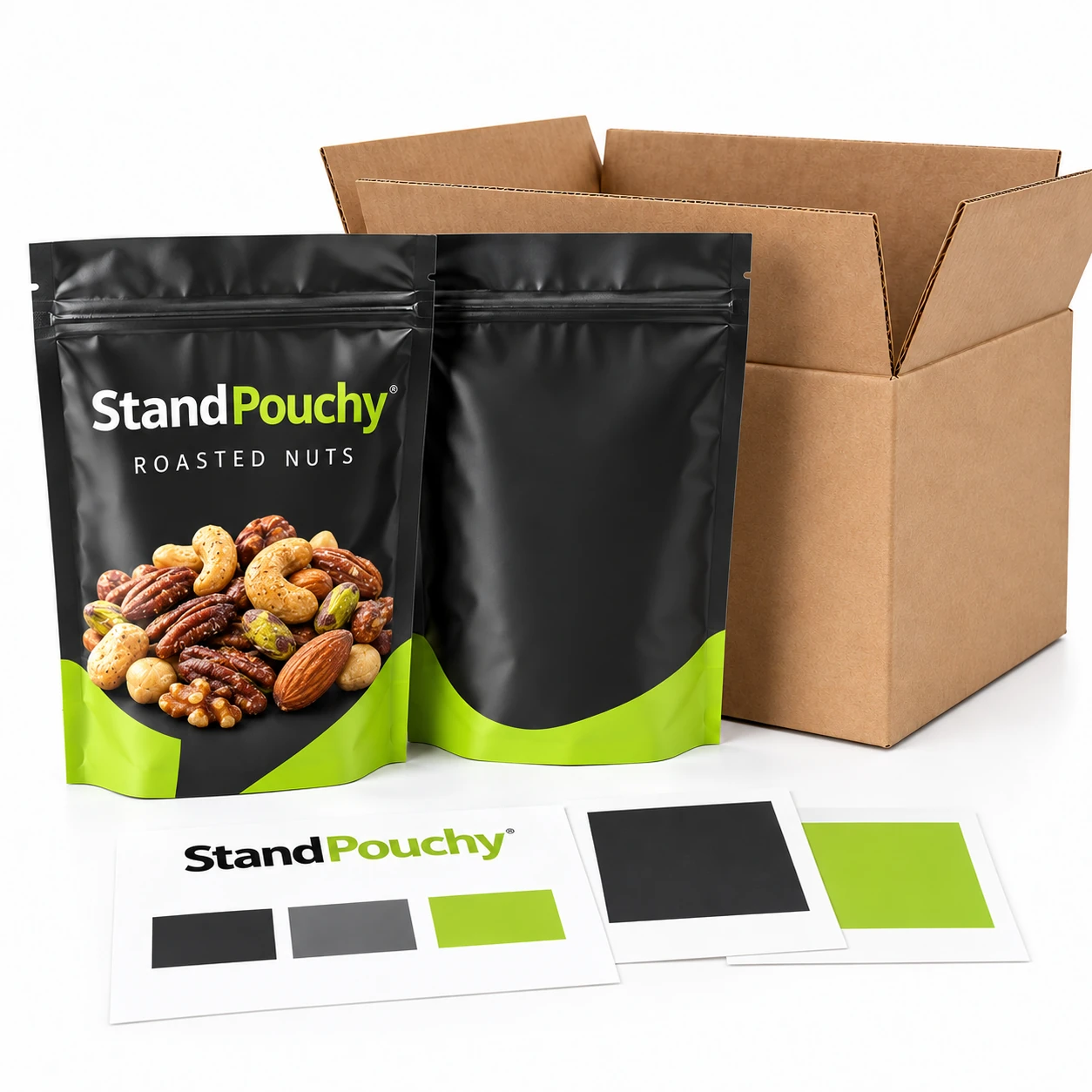
We release the sample and supply scope together
We record the accepted outer surface and its construction reference. We keep any local treatment zones on the controlled artwork. We retain the converter's drawing, print proof and filled sample identity together. We check that the final review includes small copy, barcode, closure and the expected case contact. We treat a changed coating or outer film as a change requiring an affected review, rather than assuming the finish name keeps the specification identical.
We keep food-contact review separate when the construction changes. FDA's component-status guidance ties support to the components and intended conditions of use.[4] We ask the responsible supplier which existing documents cover the proposed change and which need review. We do not infer compliance from an attractive outer surface or apply a generic certificate to every laminate. We retain that decision with the sample without turning it into a public performance badge.
We retain the final artwork with its finish zones, outer-surface identity and accepted print reference. We distinguish areas intended to remain uncoated or reserved for later coding when the process calls for them. We keep their actual trial samples with the record. We inspect the converted face and closure layout after filling. A new coating, print process or reserve-area position reopens the relevant technical review before the specification is reused.
We ask each supplier to quote the same accepted alternative. The comparison includes quantity per artwork, construction, full or local finish scope, proofing, conversion, samples, packing and destination. We ask what setup work is included and what changes on reorder. We request a separate explanation when an alternative needs more review or tooling. We do not invent a price difference or claim a finish pays for itself through higher sales.
We use the snack packaging RFQ checklist to make the commercial comparison readable. We identify what the buyer must provide and who owns any pending channel decision. Brand accepts the visible reference, operations accepts represented handling, and procurement verifies the offer against the controlled specification. We retain passed items while repairing a specific failure, rather than reopening unrelated work or lowering the requirement.
We then prepare a finish-specific pouch inquiry with the snack, fill, artwork, accepted viewing task and sample references. We ask for a named proof or document confirmation as the next step. For repeat orders, we confirm that the actual surface and process still match the accepted reference. That gives the buyer an auditable choice between matte and gloss with the remaining obligations clear.
| Order field | Common reference | Decision owner |
|---|---|---|
| Finish and artwork zones | Accepted converted sample | Brand and converter |
| Review scope | Handling, scan and document records | Operations and channel |
| Quote and reorder | Same construction and exclusions | Procurement and supplier |
Conclusion
We choose matte or gloss from matched printed samples and real tasks. We order the finish only when its appearance, handling and supplier scope agree.
Notes and sources
- ASTM D523: Specular Gloss (cited in article)
- ASTM D5264-98: Published Abrasion-Test Scope (cited in article)
- GS1 US: Barcode Placement and Printing (cited in article)
- FDA: Regulatory Status of Food-Contact Components (cited in article)
- The Packaging Lab: Matte, Gloss and Soft-Touch Pouch Finishes (cited in article)
- Reddit community insight: Affordable branded pouches and label finish options (cited in article)
Reddit links are community insight only. We use official standards and regulator pages for technical context, and we require project evidence for the final pouch decision.