01
Which Edamame Details Should We Put in the Buying Brief?
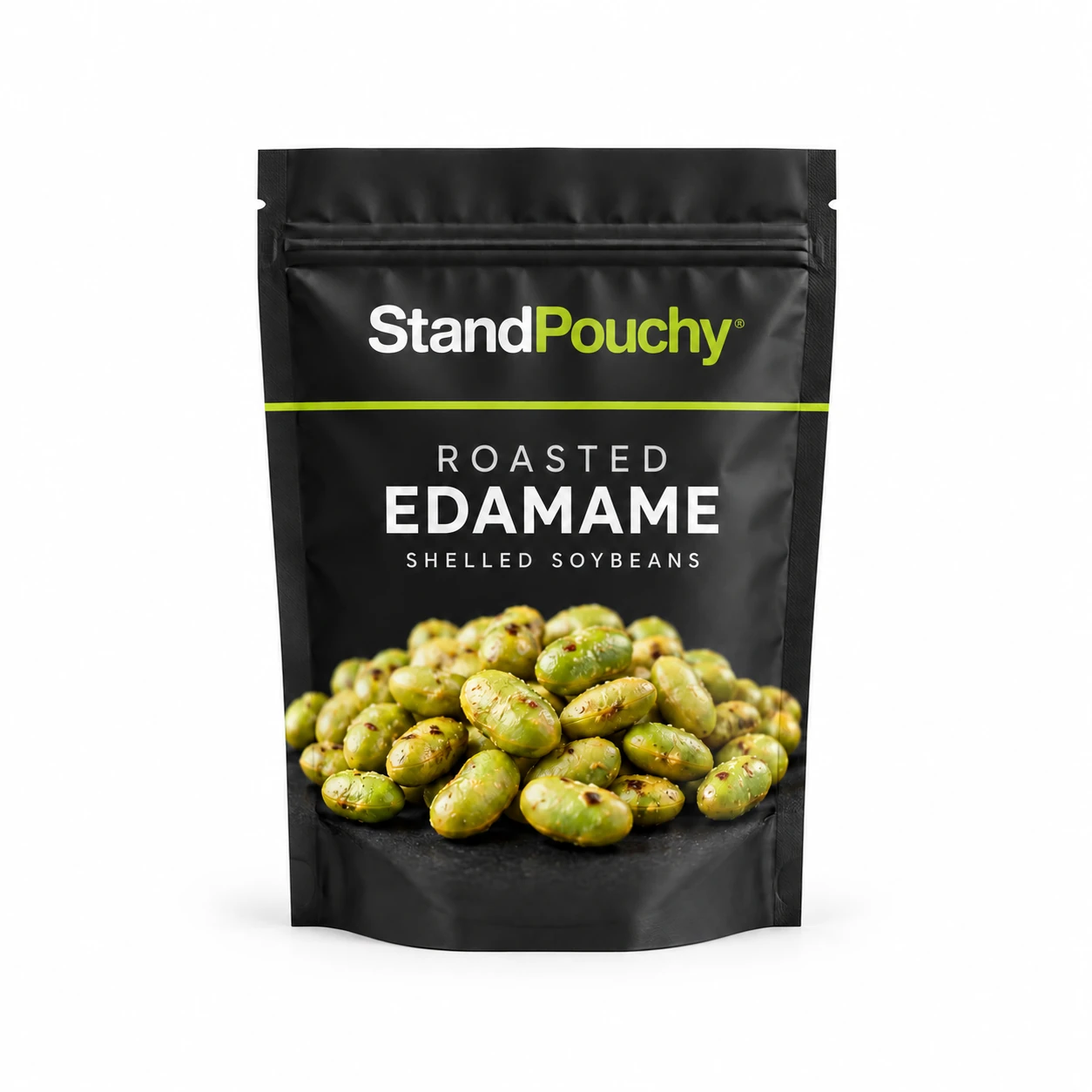
We cannot compare quotes when one supplier imagines frozen pods and another imagines dry beans. That wastes samples, so we identify the actual product.
We provide dry-roasted shelled beans, normal fragments, seasoning condition, target fill, destination and sales occasion. We ask the food owner to approve product identity and label requirements before a supplier selects a pouch.
We distinguish the roasted food from a generic soybean request
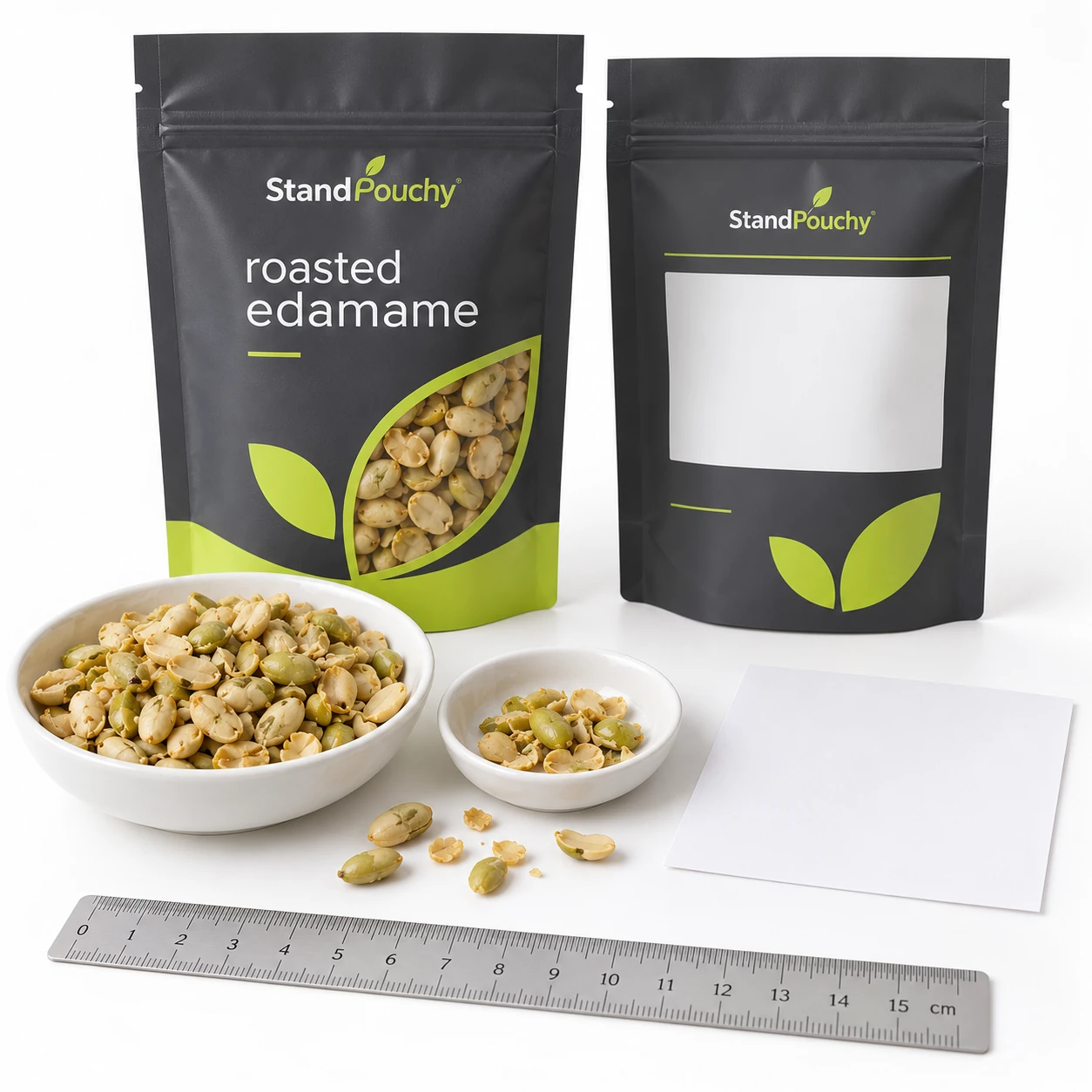
We start with representative shelled beans from the proposed product. We record whole pieces, split pieces, fines and surface seasoning. We retain the sample lot and packing condition. We distinguish a dry snack from frozen pods because the food, process and storage assumptions differ. Seapoint Farms lists dry-roasted edamame in several pack formats.[7] We use that as a product-format example, without adopting its nutrition claims or implying that its package validates our construction.
We ask the food owner to review the intended label. FDA identifies soybeans among major food allergens and explains the food-source labeling requirement.[2] We reserve appropriate space for the approved ingredient and allergen information. We also ask the converter for component support matching the intended food contact. FDA's component-status guidance treats the individual substances and their conditions of use as relevant.[1] We keep that document question separate from the visual proof.
We record product variation in a simple sample table: whole beans, split beans and the fines that accompany them. We note surface oil or seasoning without prescribing a formula. We keep separate references when those conditions differ. We also retain the actual food-owner-approved copy with the intended market. We identify which physical and document samples cover each condition, so a later seasoning change cannot silently inherit an unrelated contact or filling review.
We ask the buyer to choose the pack occasion first. A compact portion for a lunch bag and a sharing pouch for a pantry have different access needs. In a Reddit roasted-edamame discussion, a consumer values convenient pre-portioned packaging.[6] We treat that as one attributed use preference, rather than a demand estimate or a reason to make every unit small. We ask how this buyer's customers will carry, pour and store the product.
We issue the packaging specification checklist with the same food sample and unresolved questions to each supplier. We request separate alternatives when portion and sharing packs need different features. We ask which sample stage the quote includes and what the buyer must supply. This makes the next purchase decision concrete. We can approve a sampling plan without pretending that an empty reference is ready for retail.
We also ask what changes on a reorder. A new seasoning, larger bean range or revised consumption occasion may need another review. We list that responsibility before spending on artwork. Procurement can then compare a defined product and service scope, instead of comparing two bags with the same broad soybean name.
| Brief input | Question for the supplier | Buyer decision |
|---|---|---|
| Roasted beans and fragments | Which sample variation is included? | Common product reference |
| Pack occasion | Is repeated access useful? | Portion or sharing option |
| Destination and copy | Which review remains with the food owner? | Document and artwork scope |
02
How Do We Compare Size and Pouring Without Excess Space?
We can choose a compact pouch that spills beans or crowds the seal. That creates rework, so we compare usable access with real fills.
We compare face width, usable height, full bottom-gusset depth and mouth access using the actual roasted beans. We review pouring, remaining product and case fit before choosing the smallest practical candidate.
We let the filled pack answer the geometry question
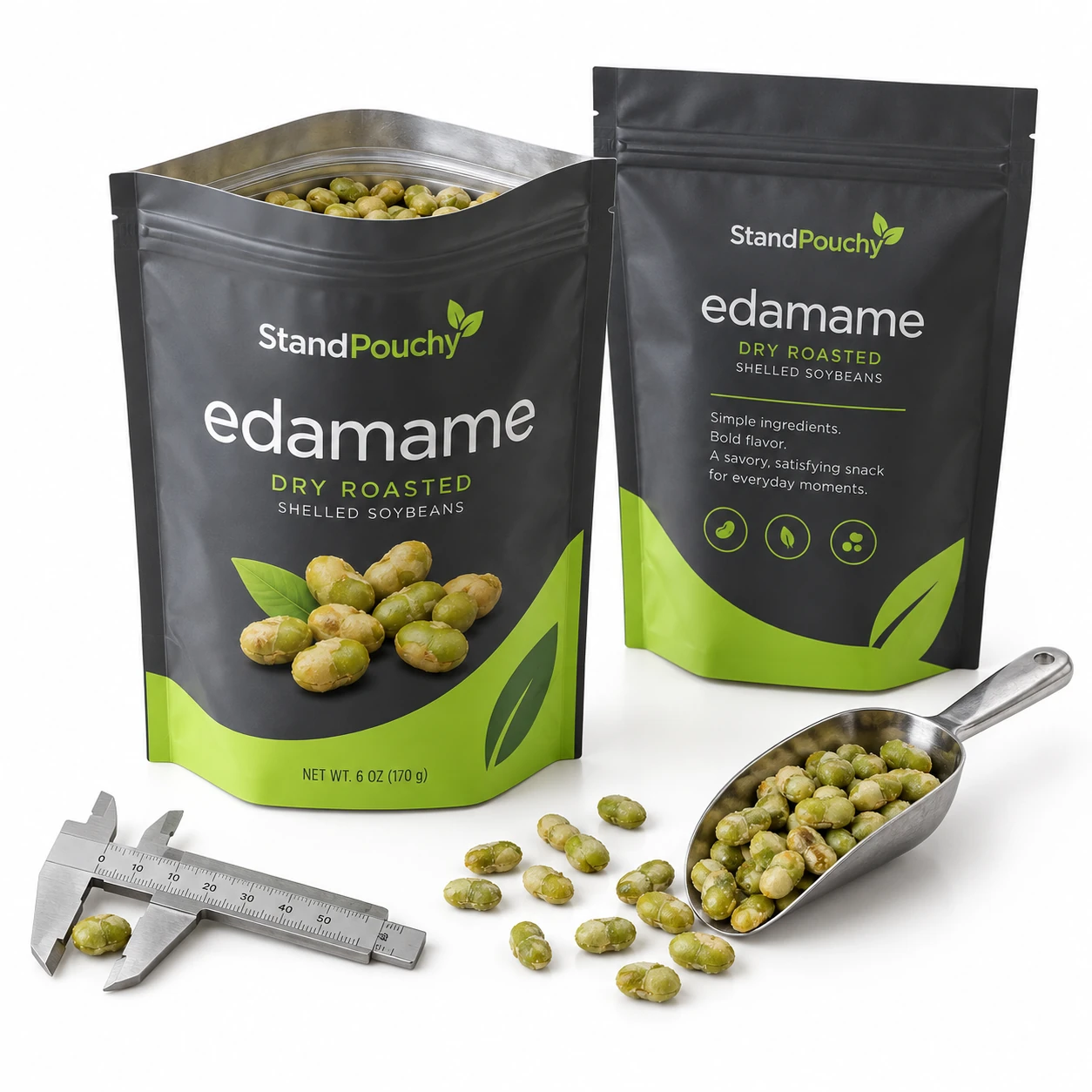
We fill conventional doypack candidates through their intended mouths. Each has front and back faces, narrow side seals and a bottom folded gusset. We record loose and settled product height separately from overall pouch height. We keep the zipper and permanent top-seal allowance visible on the sample. We note beans that catch at the opening and fragments that collect near the closure. We do not convert the declared weight directly into a universal pouch dimension.
We measure the filled unit in the relevant orientation and retain the measurement conditions. GS1's package measurement standard addresses flexible packs in their measurement context.[5] We distinguish those finished-unit measurements from the converter's manufacturing dimensions. We inspect whether the base opens after filling and whether the front panel wrinkles. We observe a repeated pour with less product remaining, because a full reference can conceal folds that appear later.
We inspect the side-seal margins and bottom fold with the same sample identity. We mark total height, zipper position and the highest normal product level on photographs. We record full opened bottom depth separately from a folded-gusset convention. During pouring, we observe the two ends of the mouth, product contact and track access. We retain what happened at each fill state instead of reporting one universal capacity or opening clearance.
We show the buyer a small number of purposeful alternatives. A wider mouth may make pouring or access easier. A taller face may improve presentation while changing the case arrangement. We ask which difference has a clear job in the proposed channel. We use the stand-up pouch size guide to record the comparison and request a converter-approved drawing after the geometry decision. The planning worksheet is not a released dieline.
We compare each option inside the intended shipping case. We ask the packer which candidate requires less manual intervention and the channel owner which presents the amount clearly. We keep an awkward compact candidate out of the order even if it appears to use less material. We also keep excess height open to challenge when it adds no useful access or presentation benefit. We request the supplier's explanation of the cost drivers without inventing a saving.
We finish the comparison with an agreed next trial. We ask which food variation and operating condition it will represent. We retain the rejected candidate and its specific problem in the record, so the next supplier sample answers that issue. This turns resizing into a controlled buying decision rather than a cycle of attractive empty bags.
| Candidate task | What we review | Purchase implication |
|---|---|---|
| Filling | Beans below usable top space | Confirm height and mouth |
| Pouring | Access with remaining product | Choose practical geometry |
| Packed case | Fit and standing appearance | Agree the full configuration |
03
Which Film and Closure Evidence Should We Compare?
We can pay for a barrier label and still receive unclear data. That weakens the order, so we request construction and sample conditions together.
We compare exact laminate directions, relevant transmission reports, intended-use support and filled-seal evidence. We treat reclosure as a consumer task and keep it separate from the permanent closure and product-quality study.
We give each proposed material or feature a job
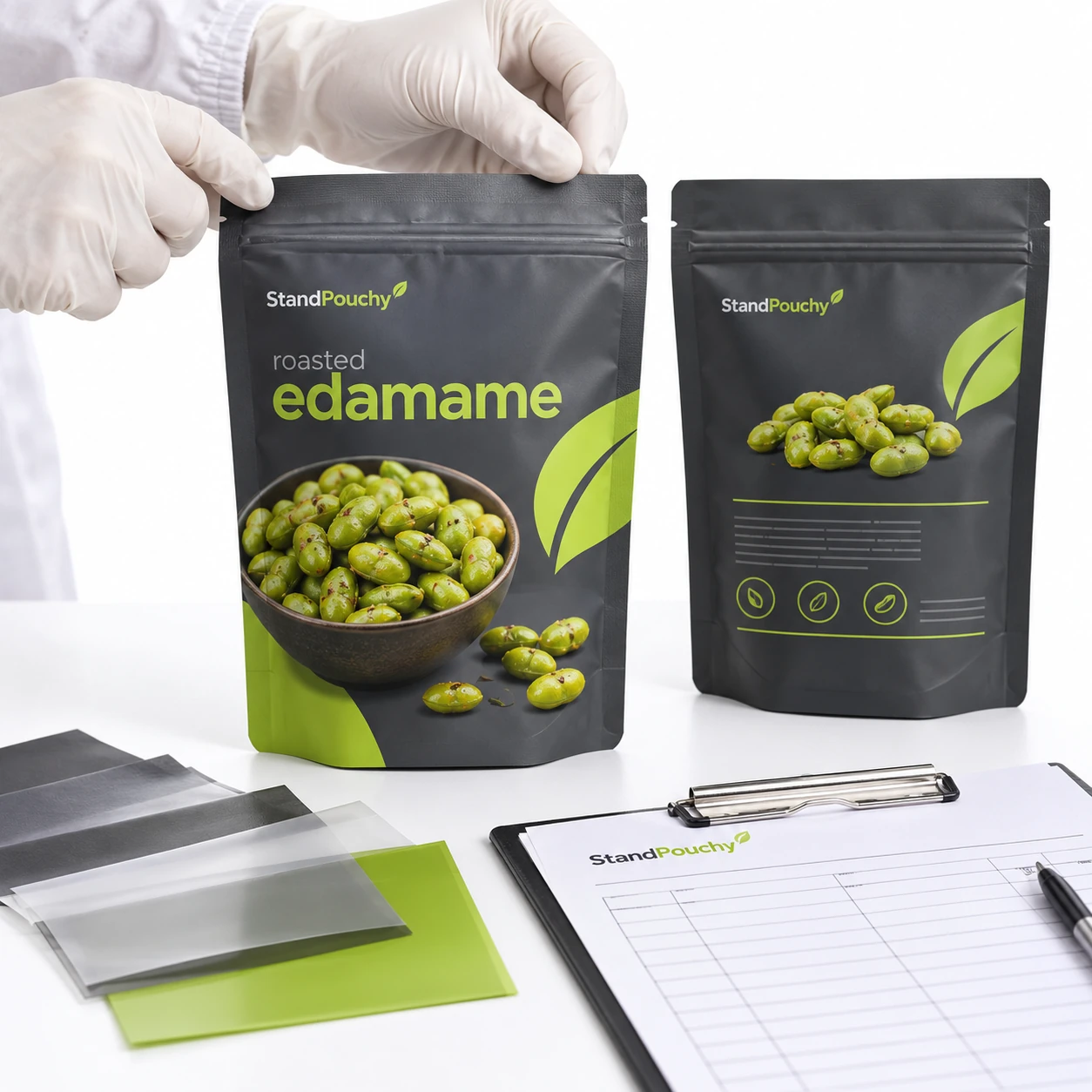
We ask the converter to identify the proposed outside-to-inside laminate. A PET / VMPET / PE direction can enter a comparison when the responsible team considers it relevant, but it remains a candidate. We request moisture data for the actual film, with method, specimen, units and environmental conditions. ASTM F1249 describes water-vapor transmission measurement through film.[3] We keep oxygen, aroma, light and food-contact questions attached to the actual product brief rather than assuming that a metallic appearance proves them all.
We observe the permanent top seal after representative filling. We retain pouch lot, product lot and the sealing setup with any specimen. ASTM F88 addresses seal strength in flexible barrier materials.[4] We agree the method and acceptance basis with the responsible team and record the failure mode. We do not stretch strength data into leak integrity or a storage-life guarantee. We inspect crumbs, folds and residue separately because a neat empty seal does not represent the filling condition.
We retain the original transmission report and note whether it represents a single film or the complete proposed laminate. We record printed, laminated or converted state when reported. We identify the pouch features that the specimen does not represent. For closure work, we retain the actual top layout and inspected areas alongside sealing conditions. We record strength, visible contamination and any separate integrity observation under their own methods, without combining them into one pass claim.
We ask each supplier why an upgrade belongs in the offer. Does a different structure address a named risk? Does a zipper support the planned repeat use? Which sample can show that the proposed feature is practical? Our barrier-data guide helps procurement request comparable evidence. We keep the same product, fill and sample stage across alternatives so a more detailed quote does not get compared with an undefined bag price.
We test access before accepting reclosure as value. We ask users to open, pour and align the tracks on a representative pouch. We ask the packer to review the same top layout. We request the included trial work and any exclusions in writing. A feature offered without its needed review remains pending, even when it looks familiar from another snack pack.
We ask the food owner what product-quality evidence still remains. That question can change the sampling scope without changing the selected brand artwork. We hold unsupported freshness, recycling and compliance promises out of the copy. The buying choice is one documented construction and closure arrangement, with clear owners for the remaining evidence.
| Offer element | Evidence requested | Decision boundary |
|---|---|---|
| Laminate | Identified film and conditions | No appearance-based approval |
| Permanent seal | Traceable filled specimens | Strength is a specific result |
| Zipper | Observed opening and reclosure | Pay for a defined use task |
04
What Should We Approve Before Ordering Edamame Pouches?
We can approve a sample while the quote describes another scope. That hides purchase risk, so we connect every release item to one revision.
We approve product identity, filled appearance, opening, relevant test records, artwork and case arrangement against one supplier offer. We name the owner and next action for any remaining evidence before releasing the order.
We make the quotation match the accepted sample
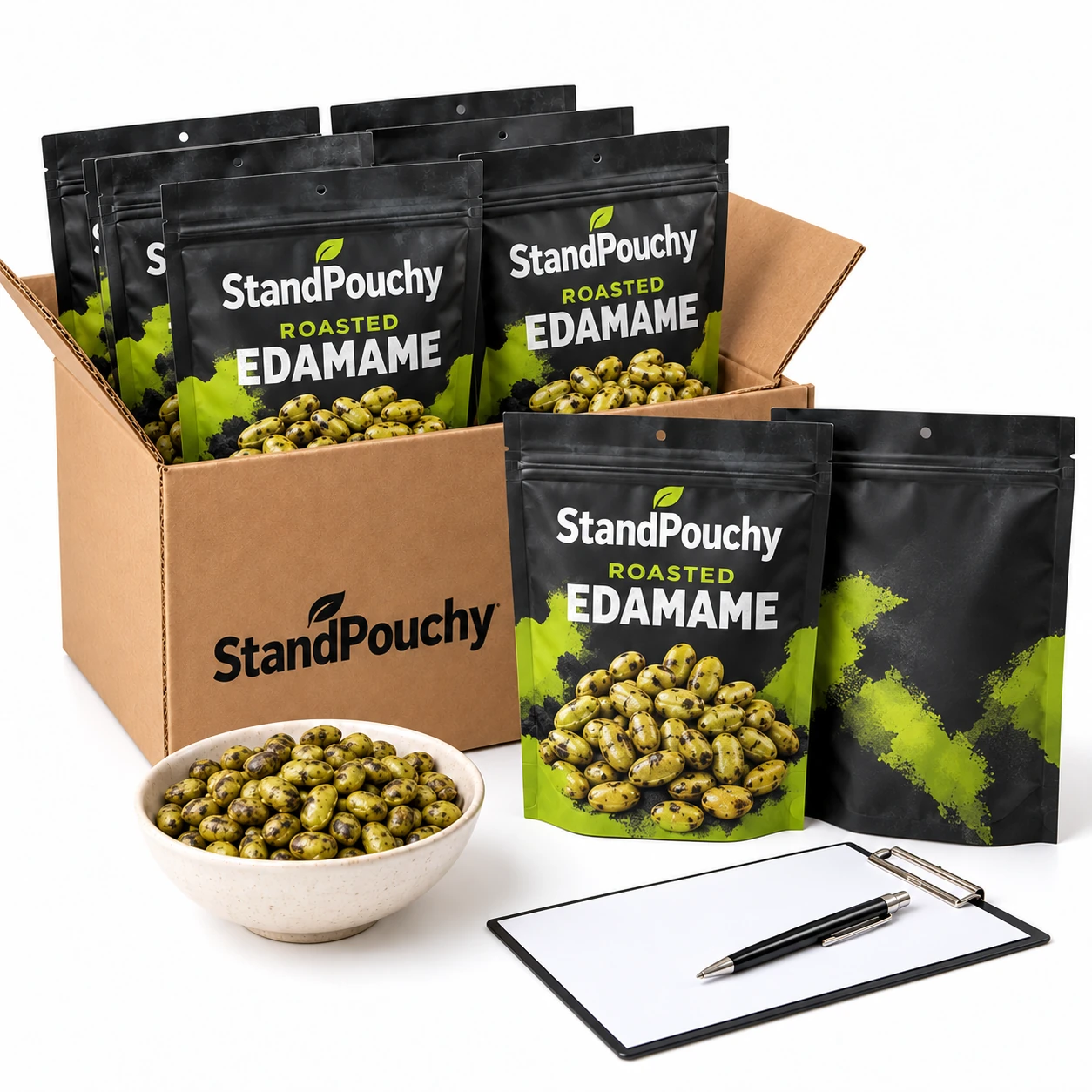
We retain the accepted pouch with its product, material and artwork references. We photograph the front, back and opened base before and after the agreed case review. We inspect the actual seal area and opening, including normal fragments. We keep any laboratory report attached to its specimen rather than attaching it loosely to the brand name. We repeat affected checks when fill, laminate, closure position or the packing process changes.
We review the final printed unit in its filled condition. We confirm that product identity remains visible and that the food owner's approved copy is present. We keep fixed artwork, any variable-code area and functional closure zones on the same controlled drawing. The record distinguishes an accepted physical sample from a pending food-quality study. We do not call a completed print proof a completed product release.
We identify each retained unit with the product lot, pouch revision and represented operating condition. We mark whether it was handled or retained as a comparison. We record where new creases, abrasion or fragments appear after the agreed case review. We also preserve the unhandled closure reference. These details help the technical team distinguish a filling condition from a later contact effect without assigning an untested cause from a photograph alone.
We compare offers using the same quantity per artwork, construction, dimensions, features, print route, proof stage and destination. We ask what setup, sample work, conversion, packing and delivery scope are included. We request explicit exclusions for work handled by the buyer or co-packer. This prevents procurement from choosing a lower headline figure that leaves an essential approval task unowned. We ask the supplier to quote its actual scope without publishing assumed prices or lead times.
We use the pouch sample approval guide to record each decision. Brand accepts presentation and controlled artwork. The food owner accepts food-related requirements. Operations accepts the represented fill and closure. Procurement checks that the selected quotation names the same revision and includes the agreed work. We leave any unresolved item visible until its responsible owner can close it.
We then prepare an edamame pouch inquiry with the roasted sample, target fill, channel, intended market and open questions. We ask for a named next sample or document review. For a reorder, we confirm that the same specification still represents the product being purchased. Our next step stays specific enough for a supplier to answer and for the buyer to verify.
| Release item | Reference to retain | Owner decision |
|---|---|---|
| Food and artwork | Approved identity and copy | Food owner and brand |
| Pouch and case | Filled sample and evidence | Operations and channel |
| Order scope | Revision and exclusions | Procurement and supplier |
Conclusion
We buy an edamame pouch from a defined roasted product, useful opening and matched evidence. We release one approved sample and supplier scope together.
Notes and sources
- FDA: Regulatory Status of Food-Contact Components (cited in article)
- FDA: Food Labels and Allergens (cited in article)
- ASTM F1249: Film Water-Vapor Transmission Method (cited in article)
- ASTM F88: Seal Strength of Flexible Barrier Materials (cited in article)
- GS1: Package and Product Measurement Standard (cited in article)
- Reddit community insight: Roasted edamame and portion convenience (cited in article)
- Seapoint Farms: Dry Roasted Edamame Product Formats (cited in article)
Reddit links are community insight only. We use official standards and regulator pages for technical context, and we require project evidence for the final pouch decision.