01
What Opening Task Should We Put in the Supplier Brief?
We cannot compare opening features when one team expects a clean header removal and another accepts a small pouring hole. We agree the task.
We define who opens the filled pouch, where they grip, what access they need and which features must remain usable. We tell the supplier whether the first tear must expose a zipper, allow pouring or create a clear hand-access opening.
We buy a clear access task before a feature name
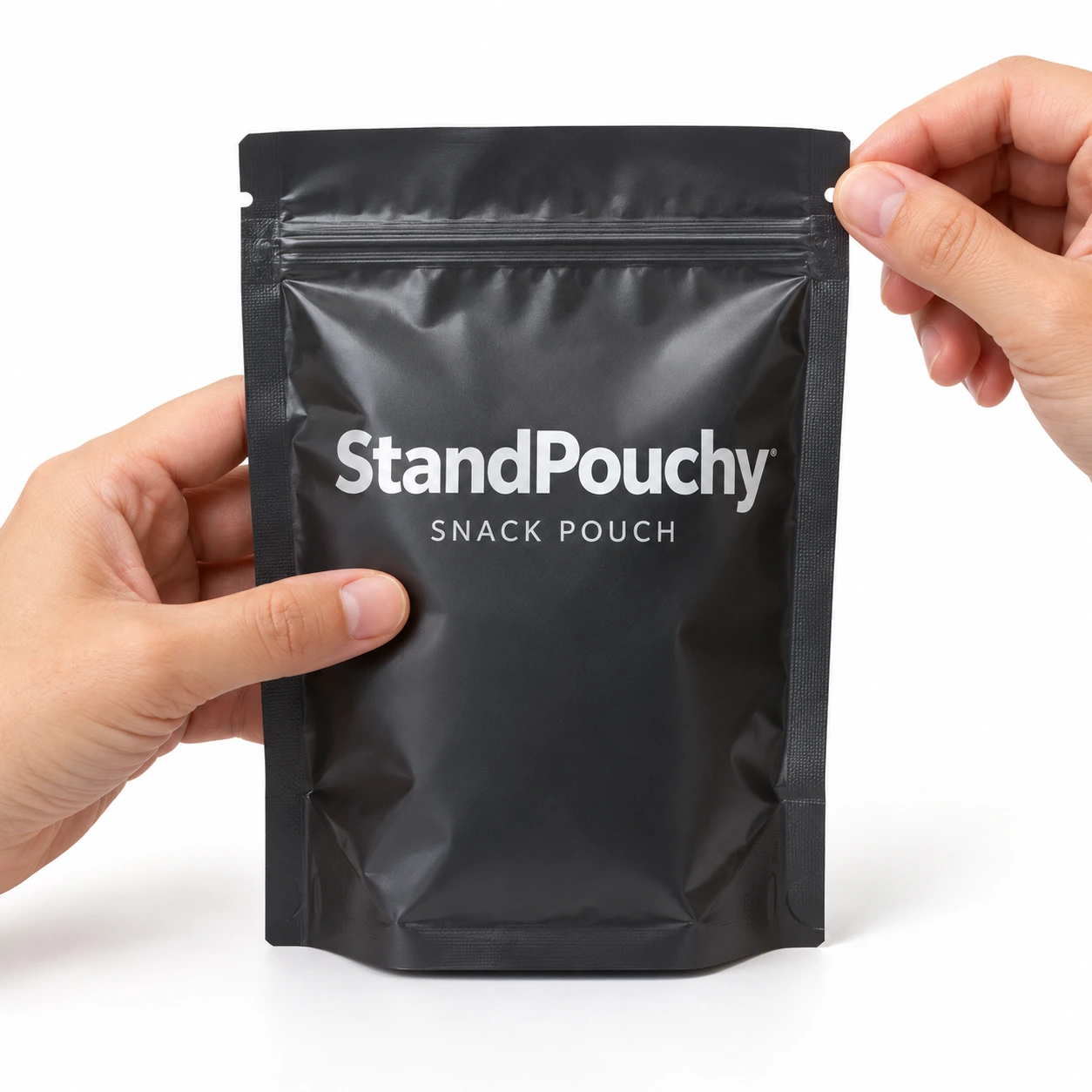
We mark the top seal, tear path, zipper and expected grip areas on one controlled drawing. The first tear must create access below the permanent header without destroying a reclose feature that the buyer wants to retain. We also consider the largest normal product pieces and how the filled pouch can be held. A small tear that works for pouring fine pieces may not allow comfortable removal of larger clusters.
We ask the buyer to name its actual use occasion. Will the shopper open the pack at home, during travel or while serving other people? Does the pack need a removable header or a different opening arrangement? We compare these tasks before asking a converter to quote a notch or scoring option. A visible feature can be inexpensive in one offered route and still fail the task; we need the supplier's own scope and trial proposal.
We keep the user's ability to find and hold the opening in the review. The Arthritis Foundation's pouch guidance discusses clear opening indications and avoiding obstructions in a tear path.[1] We apply those questions to our snack trial. We do not claim that a pouch carries an accessibility certification or that guidance for child-resistant packaging proves this snack pack's performance. It helps us ask better questions about the actual grip and tear sequence.
We use the dieline guide to connect the opening task to artwork. We reserve readable space for instructions and keep the instruction near the intended start point. We ask the converter what tolerances and layout details need confirming. We keep the planning drawing distinct from a production-approved dieline so procurement does not order from an unconfirmed sketch.
We also record the reason for the trial. A Reddit snack-pouch discussion describes a notch that stops at a seam and leaves poor access.[6] We treat it as an attributed complaint, not a failure rate or proof about a particular film. It tells us to inspect complete opening, rather than count notches. We send that task to the supplier in practical language and ask which finished samples can demonstrate it.
| Use task | Question to agree | Supplier response |
|---|---|---|
| First tear | What access must the header provide? | Opening sample proposal |
| Grip | Can users find and hold the start? | Layout and sample review |
| Feature survival | Must the zipper remain usable? | Confirmed top geometry |
02
How Do We Compare a Notch and a Controlled Tear Option?
We can pay for a feature without knowing which opening problem it addresses. We compare finished behavior and the supplier’s exact process scope.
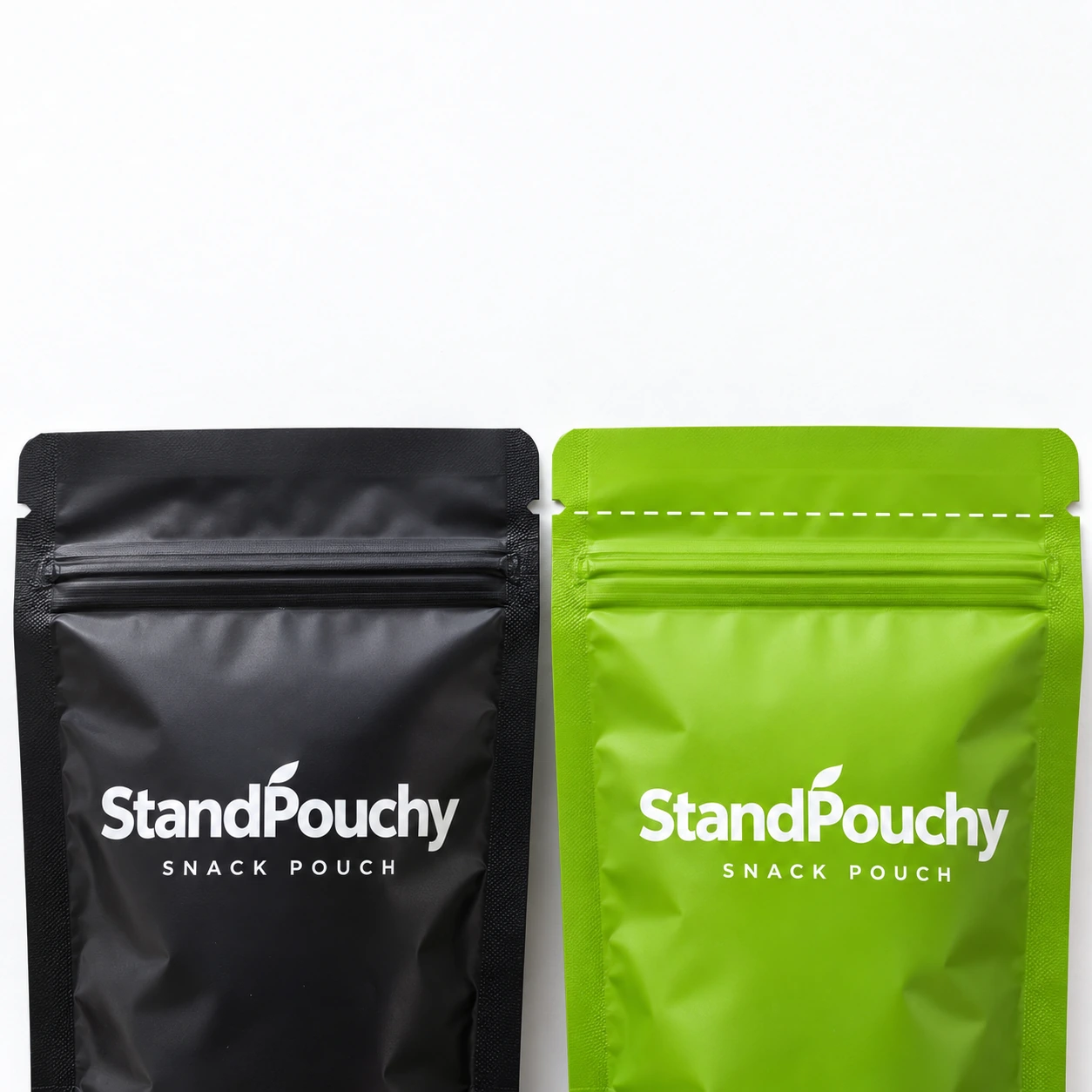
We compare where tearing starts, how it travels and what remains after opening. We ask the converter to explain any scoring or other controlled-tear process on the exact laminate. We test the converted pouch rather than infer a clean tear from a feature name.
We separate tear initiation from tear travel
We begin with two different questions: can the user start the tear, and can the tear continue to the required access point? ASTM D1004's public scope concerns force to initiate tearing in film specimens.[2] ASTM D1938 concerns tear propagation in film and thin sheeting.[3] We use these scopes to keep laboratory questions distinct. Neither standard name is a guarantee that a shopper will remove the header correctly from a filled pouch.
We ask the supplier what it can actually manufacture for this construction. A notch is a starting feature. A scoring or other controlled-tear option must have a defined offered process and location. We ask which layers or areas are affected and which evidence it will provide. We do not assume StandPouchy can supply every named option in every laminate. The converter must confirm the route before the buyer includes it in a production order.
We inspect the converted top area. Folded material, seal geometry, an obstruction or a misaligned start can change where a tear travels. We watch whether the header stretches, stops, splits downward or interferes with the zipper. We keep intact comparison samples beside opened samples. We do not cut a clean opening with scissors and present it as evidence that the intended tear works.
We make a commercial comparison with matched sample scope. We ask whether the offer covers only a notch, a controlled-tear process, artwork changes or a new tooling step. We ask which trial and evidence are included, what would need arranging separately and what a later laminate change would affect. We do not invent an added feature price or claim that one option is always economical. We want procurement to understand the proposed work before judging the quotation.
We use the test specification guide to keep specimen and method fields clear. We compare finished opening behavior alongside any relevant laboratory work. A successful material specimen result can support a construction review, while an observed finished-pouch failure still needs repair. We choose the option with a clear supported task and repeatable sample behavior, even if another option sounds more advanced in a sales description.
| Comparison | What it answers | Buying implication |
|---|---|---|
| Start of tear | Can the intended grip initiate access? | Confirm notch and material trial |
| Travel of tear | Does it reach the required opening? | Review exact converted header |
| Process offer | What will the supplier make and test? | Compare equivalent quote scope |
03
How Do We Protect Seals and Reclosure While Improving Opening?
We can make opening easier and accidentally create another problem near the seal or zipper. We keep those functions in the same sample review.
We preserve the permanent sealing area before sale and the required zipper below the tear path. We ask how the proposed opening feature affects the exact film and converted header. We verify opening, seals and stored-product evidence together before release.
We keep the opening feature inside a complete specification
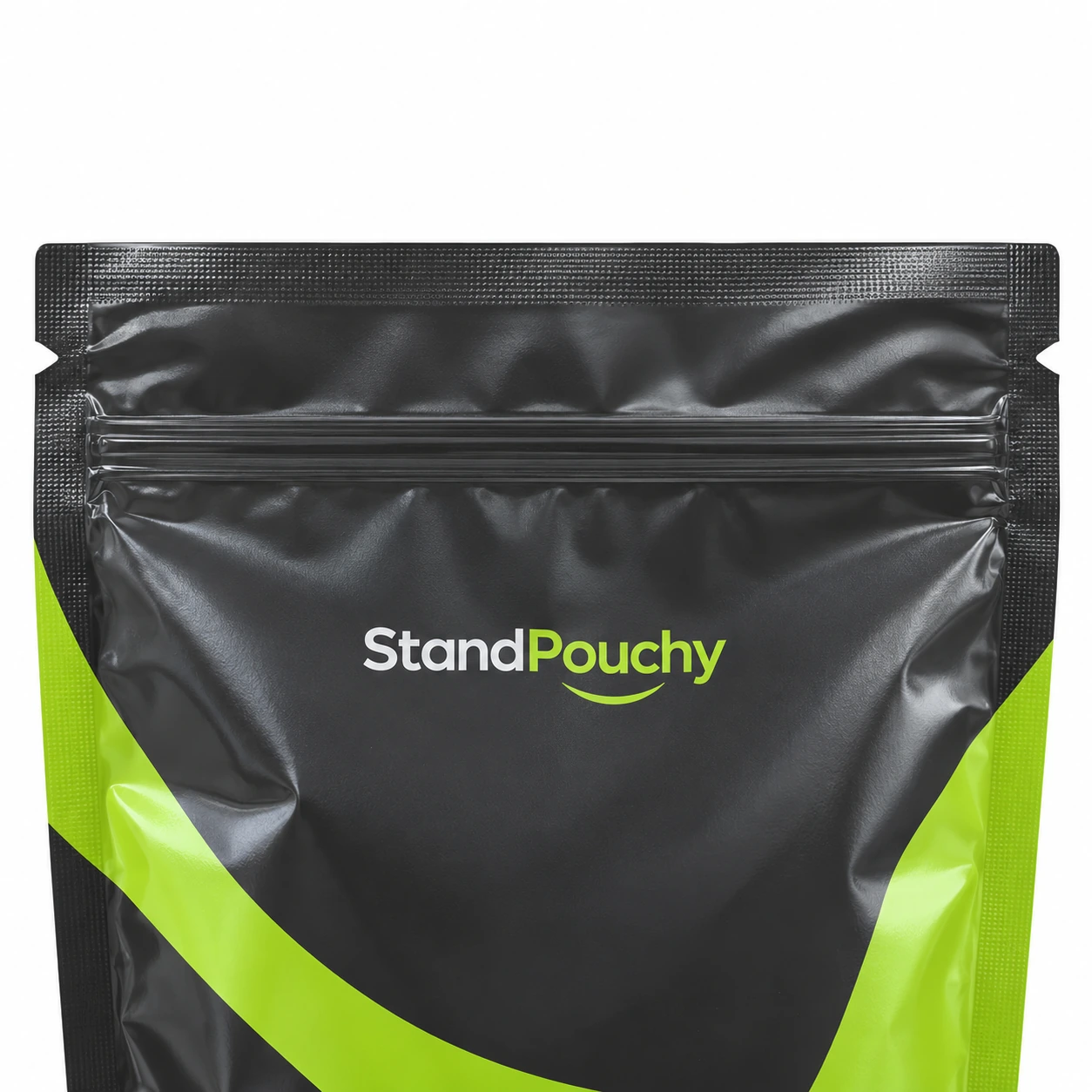
We keep the unopened seal system separate from the consumer's opening feature. The final top seal must form through the intended filling process, and the tear path must expose the useful mouth. We mark the separation on the approved geometry. We inspect the zipper after opening to see whether both ends remain attached and accessible. We also look for narrow flaps that block a grip or encourage the user to pull on the wrong part.
We ask the packer and converter to review the proposed change together. Moving a notch or top line can require a new drawing and a changed sample. We ask who confirms the available seal area and who provides the updated proof. We keep the specification checklist beside the offer, so a buyer can compare the same geometry across suppliers instead of accepting two different top stacks under one easy-open label.
We request evidence with appropriate limits. ASTM F88 measures seal strength in flexible barrier materials.[4] It does not replace the user's opening trial. FDA's component-status guidance also requires applicable substance and use support; an FCN is specific to its identified manufacturer and use.[5] When a proposed opening process changes the construction, we ask the responsible supplier to identify what material or contact-use review needs confirming rather than silently carrying over unrelated documents.
We make the procurement risk concrete. Which part of the specification changed, which sample proves it and which earlier approval remains applicable? We ask the supplier to name the exact revision in its quotation. If a proposed controlled tear requires another trial, we agree that scope before the artwork deadline. We do not let a schedule pressure turn an untested feature into a released specification.
We also keep the next user task in view. The intended opening should leave enough access to reach or pour the snack and, when specified, close the zipper again. We ask the buyer to observe that complete sequence. This remains different from a freshness promise. We can approve a useful opening and still require separate product-storage evidence. Keeping those decisions explicit helps the buyer understand what the supplier has demonstrated and what the product team still owns.
| Function | Evidence task | Release question |
|---|---|---|
| Permanent seal | Representative filled-seal review | Does the process remain approved? |
| First opening | Observe complete header removal | Is useful access achieved? |
| Retained zipper | Open and close after the tear | Has the feature survived? |
04
How Do We Approve Easy Opening Before the Pouch Order?
We can miss a difficult opening when only experienced technicians test clean empty samples. We review representative filled packs and users.
We observe users opening filled samples without coaching, then record grip, tear direction, access and zipper condition. We compare failures with the approved revision and relevant seal evidence. We release a defined feature and supplier scope only when the complete task passes.
We turn observed use into a purchase decision
We prepare finished samples from the intended construction and filling route. We retain unopened units and check normal product load, header shape and seal condition. We include reasonable sample variation agreed by the team. We note where the tear starts, whether it stops or turns and whether product spills during opening. We inspect the retained zipper and usable mouth after the task instead of ending the observation at the first visible rip.
We give participants a filled pouch with its normal printed instructions. We do not demonstrate the preferred grip first. We watch what they attempt and ask what was unclear afterward. We include relevant users for the buyer's intended audience, with a practical review plan and an agreed acceptance basis. We do not invent a universal opening-force target or infer that one successful staff member represents every shopper.
We keep the material measurements with their limits. D1004 and D1938 warn that actual use may not correlate with film-test data and that specimen comparisons have conditions.[2][3] We therefore document both the specimen work and the observed finished-pouch task. If a tear fails, we retain its sample identity and condition. The converter can then inspect a specific top layout or construction, rather than receive a vague instruction to make the bag easier.
We use the sample approval guide to separate the repair from the final release. We record the problem, the changed feature, the new revision and the repeated task. We keep a previous passed print review when it still applies, but repeat any review affected by the change. That gives procurement a practical route to approval without discarding useful evidence or lowering the opening requirement.
We finish with an opening-feature inquiry that names the snack, pouch geometry, retained features, audience, intended task and sample failures. We ask the supplier to confirm what it can manufacture and demonstrate on the proposed laminate. We compare its offer with the completed approval record before ordering. The commercial decision is then concrete: one specified opening system, with a traceable sample and a clear process scope, rather than a claim printed on an untested header.
| Review stage | Record | Purchase action |
|---|---|---|
| User observation | Grip, tear and actual access | Identify specific failure |
| Revised sample | Changed feature and repeated task | Close affected approvals |
| Final offer | Construction, feature and evidence scope | Release matched order |
Conclusion
We choose easy opening from an observed task, exact construction and matched supplier scope. We approve the first tear and retained features before ordering.
Notes and sources
- Arthritis Foundation: Pouch Opening and Grip Guidance, pages 142–144 (cited in article)
- ASTM D1004: Tear Resistance and Initiation (cited in article)
- ASTM D1938: Tear-Propagation Resistance (cited in article)
- ASTM F88: Seal Strength of Flexible Barrier Materials (cited in article)
- FDA: Determining Food-Contact Component Status (cited in article)
- Reddit community insight: The Notch on Snack Pouches (cited in article)
Reddit links are community insight only. We use official standards and regulator pages for technical context, and we require project evidence for the final pouch decision.